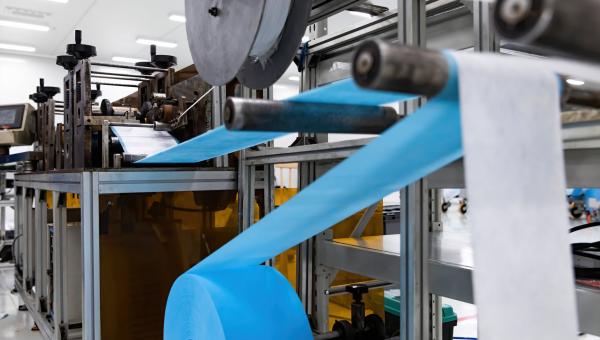
AFPM Senior Petrochemical Advisor Jim Cooper answered a few questions to help illuminate some of the ways that petrochemicals—and the industries that produce them—are working to protect people from the coronavirus.
Preface: So, I was asked if we can somehow tie Moon Day with petrochemicals. I said that I’m pretty sure space suits are made from synthetic materials, so that’s a pretty good tie-in. Well, it turns...
At only 21 years old, Matt was diagnosed with heart valve disease — a condition he was able to manage with the help of doctors and medicines for nearly a decade.
Earlier this month, researchers at the University of Sydney and Harvard announced the development of a new surgical glue called “MeTro”, which promises to revolutionize the treatment of wounds both on...
Ethylene, a key building block in plastic and vital to our country’s manufacturing industry, has been thrust into the spotlight due to Hurricane Harvey’s impact on its production process.
Athletes gathering for the winter Paralympics in South Korea this month are remarkable examples of how people overcome challenges – and new technologies are increasingly helping these impressive athletes push their limits by doing more, going faster or going farther.
Every day, AFPM members make products that improve our lives and contribute to human progress — including fuels like gasoline, diesel and jet fuel that facilitate access to vital health services, and petrochemicals used as building blocks to create healthcare equipment, devices and technologies.
AFPM has joined five other associations to call on the Governors of eight states to reject a recent plea from the Auto Alliance – the leading advocacy group for automakers – to increase subsidies and other incentives for electric vehicles (EVs) and zero-emission vehicles (ZEVs), further distorting a market that has failed to materialize despite already receiving generous handouts.
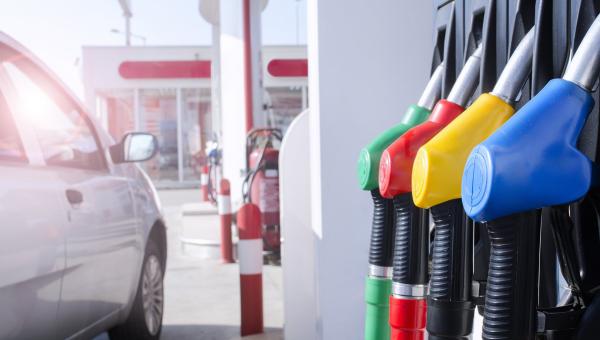
A nationwide 95 RON octane standard for vehicles can deliver major carbon reductions in the nation’s light-duty auto fleet faster and at a lower cost than any other proposal being considered by policymakers right now, especially policies seeking to force nationwide vehicle electrification.