Beyond digitization (converting analog information to digital) and digitalization (the technology-driven shift to business processes) lies digital transformation.
We are surprised and disappointed by the President’s letter. Any suggestion that U.S. refiners are not doing our part to bring stability to the market is false. We would encourage the Administration to look inward to better understand the role their policies and hostile rhetoric have played in the current environment.
AFPM President & CEO Chet Thompson sent a letter House Speaker Nancy Pelosi and Minority Leader Kevin McCarthy expressing AFPM’s opposition to H.R. 7688, the Consumer Fuel Price Gouging Prevention Act.
The United States has the most complex and efficient refining industry in the world, but we also have less refining capacity than we used to. Where the issue of refining capacity is concerned, it’s important to understand what refining capacity is, why we’ve lost capacity in the United States and how policies can advance the competitiveness of our refineries in the global market.
Some policymakers are rumored to be considering a ban on crude oil and/or U.S. refined product exports. This would be a mistake. Ending U.S. crude oil or refined product exports won’t help U.S. consumers by lowering prices at pump. In fact, it could make things even worse. Let’s take a closer look at how a refined product export ban would affect gasoline and diesel supplies and, thus, prices in the United States and around the world.
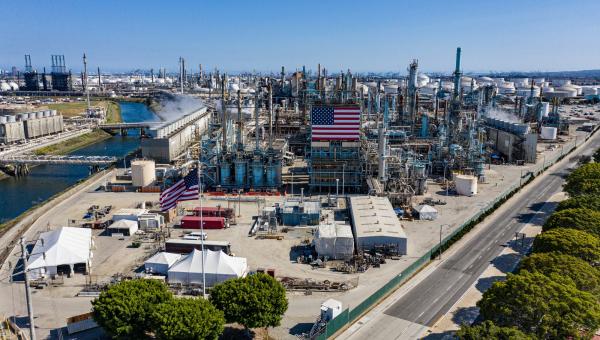
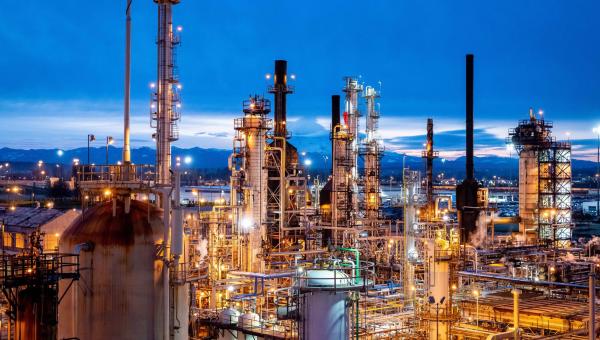
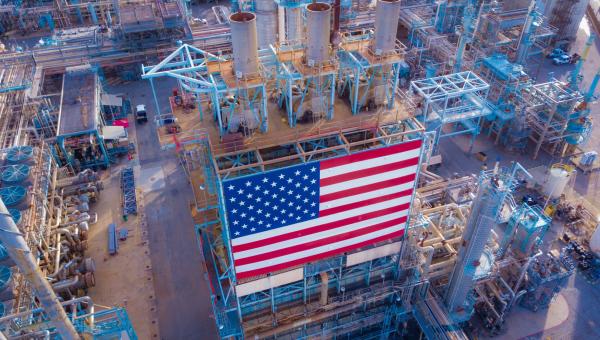
Refinery utilization, measures how much crude oil refineries are processing or “running” as a percentage of their maximum capacity. It tells us roughly how much of our refining muscle is being put to work manufacturing fuel. American refineries are running full-out, at about 95% of total capacity, contributing more fuel—gasoline, diesel, jet fuel, etc.—to the global market than any other country. In fact, U.S. refineries process more crude oil every day than the United States produces, and we make more finished fuels than the United States consumes.
The return of fuel demand to pre-pandemic levels and the slower rebound of crude oil and fuel production has created concerns about whether supplies of gasoline, diesel and jet fuel will be sufficient to meet global demand. U.S. refineries are up and running at near maximum utilization. Other major refining countries, for a variety of reasons, have not kept pace bringing their facilities back into operation or resuming sales of fuel to the market. As a result, wholesale fuel prices have increased and so have refinery “crack spreads."
AFPM President and CEO Chet Thompson issued the following statement: "AFPM applauds the United States Trade Representative (USTR) for elevating this important matter. Mexico’s policies toward American energy companies need to be addressed in the spirit of the United States-Mexico-Canada trade agreement (USMCA). American refiners have made significant investments in Mexico-based operations, jobs and infrastructure and we want our trade relationships with Mexico to remain healthy and mutually beneficial.”
A Strategic Petroleum Reserve (SPR) release—which basically involves making additional barrels of crude oil available for sale to the world market—is meant to increase global supply. Meeting today’s demand with more supply is a recipe for lower prices. The United States released millions of barrels from our SPR in the past several months, as did many other countries.
The U.S. refining industry is the most competitive in the world, which is a benefit to American households. Our complex facilities are uniquely suited to handle difficult-to-refine crude oil and other petroleum feedstocks that refineries elsewhere cannot process. This creates competitive advantage. At the same time, the United States is able to sell some of our higher-quality crude to countries that need it. This combination is powerful.