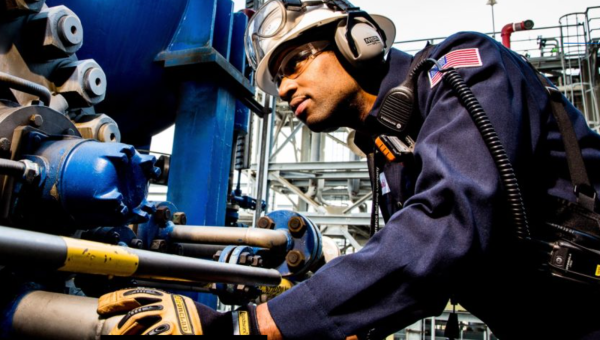
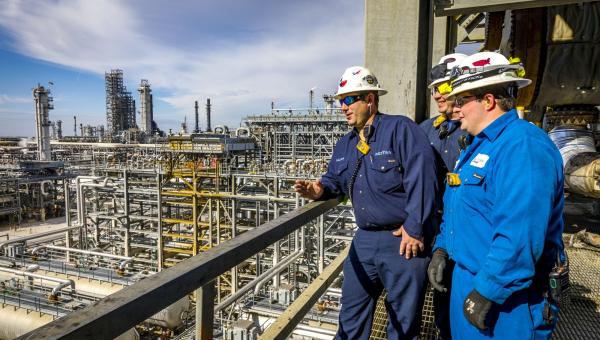
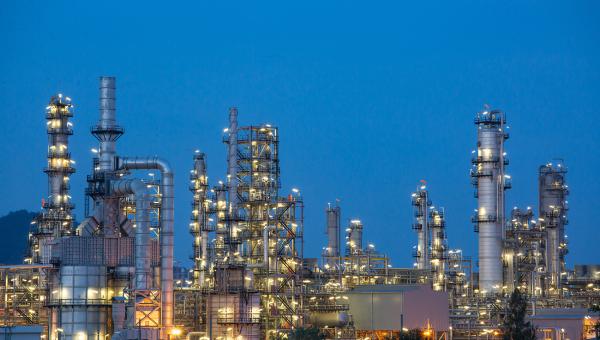
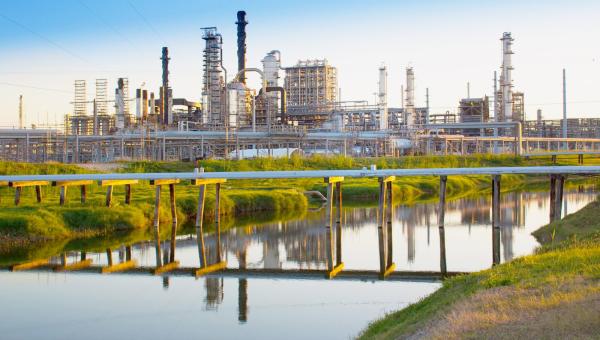
Because of the extensive safety and mitigation steps refiners take wherever hydrofluoric acid (HF) alkylation is concerned, the risks from this process pale in comparison to those we assume every day when we engage in routine activities like riding a bike, driving a car and playing with pets.
AFPM Senior Director of Fuels and Vehicle Policy, Patrick Kelly, testified during the Environmental Protection Agency’s (EPA’s) public hearing on the proposed Renewable Fuel Standard (RFS) “Set” Rule. EPA’s proposal will stifle advanced biofuels, promote first generation biofuels beyond the market’s ability to absorb them and shift overall RFS growth away from liquid biofuels and into the power electricity sector. This is completely contrary to how congress envisioned EPA’s handling of the program.
AFPM's Geoff Moody issued the following statement responding to the EPA's 2023-2025 proposal for RFS blending obligations: “Congress provided EPA the ability to modernize the RFS and set it on a more sustainable course for all stakeholders. Sadly, EPA’s proposal is a missed opportunity..."
California has officially asked the Biden administration for permission to ban the sale of new gasoline and diesel vehicles by 2035—an unprecedented move that will deny millions of Americans the ability to choose for themselves the types of cars or trucks they want to drive. The decision is entirely up to President Biden...
In a tight refined product market it has been U.S. refiners that have stepped up. Our industry ran full-out for most of 2022 making sure American consumers, our domestic economic centers and our allies had enough gasoline, diesel and jet fuel to keep everyone moving. Our refining sector leads the world in liquid fuel production and is effectively doing more than any other to bring better balance to the global market.
Chet Thompson, President and CEO of the American Fuel & Petrochemical Manufacturers, today issued the below statement on the association’s ongoing work.
Rosemount, Minn. – The flame at the top of a 400-foot stack here at the Flint Hills Resources' Pine Bend refinery used to burn so brightly and so consistently that some say it was used to train pilots to land planes at the Minneapolis-St. Paul Airport.
If you read the headlines in the news lately — “Greenhouse Gas Emissions From Plastics Are Predicted to Rise,” “New Texas petrochemical projects add millions of tons of greenhouse gas pollution, report finds” — you’d think emissions from the petrochemical industry were getting worse.
HOUSTON — The dog days of summer typically bring one or two hurricanes that lash the U.S. Gulf Coast. The punch of these storms, with their powerful winds and heavy rains, often has the potential to curb production at Gulf Coast refineries that together churn out nearly 50 percent of U.S. motor fuels and are crucial to our economy.