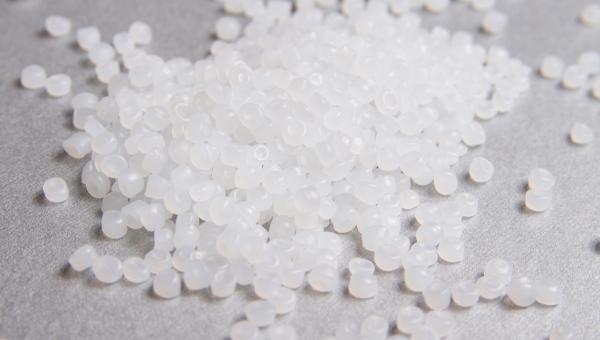
U.S. petrochemical manufacturers are at the forefront of research and development into cutting-edge solutions to give new life to used plastic products. Leveraging their in-depth understanding of plastics’ molecular composition and the manufacturing process itself, AFPM members are investing in recycling technology, infrastructure and partnerships that will reduce mismanaged plastic waste by applying unlocking its value as a feedstock.
As I write this in the early afternoon of Monday, May 15, I just finished reading the latest bulletin from DHS on WannaCry, the ransomware virus that has become a lead news story since the weekend.
With recent plastic waste legislation from New York and New Jersey making headlines, we sat down with AFPM Senior Director of Petrochemicals, Transportation and Infrastructure Rob Benedict to discuss the petrochemical industry’s role in reducing plastic waste, new technological breakthroughs and how AFPM analyzes plastic waste policy proposals.
In 2019, Chevron Phillips Chemical (CPChem)’s Sustainability Technical Manager Ron Abbott was given a seemingly insurmountable challenge: by 2020, make CPChem the first company in the U.S. to announce commercial production of a circular polymer made by converting plastic waste into the chemical building blocks for new plastic. A cross-functional team was launched and started chipping away at the goal.
WASHINGTON, D.C. – This decision by the Canadian government to designate plastic manufactured items as “toxic” is unwarranted and not based in science.
In late July, Congress allowed a valuable program that enhances security at chemical facilities across the country to expire. The program is called the Chemical Facility Anti-Terrorism Standards (CFATS), and its primary mission is to protect chemical facilities from potential terror threats by addressing a wide range of possible vulnerabilities, including cyberattacks.
"AFPM is extremely disappointed that the Chemical Facility Anti-Terrorism Standards (CFATS) program was allowed to expire and strongly urges the Senate to pass H.R. 4470 as soon as possible so that our members can resume their longstanding, collaborative relationship with the Department of Homeland Security (DHS) via the CFATS program. Our industries remain committed to providing the best security possible while the program’s regulations remain unauthorized.."
A legal representative for numerous U.S. small refineries has submitted a letter to the Environmental Protection Agency opposing calls for the agency to share confidential business information of small refineries with the U.S. Secretary of Agriculture.
Visit AFPM’s Hurricane and Weather Event Resource Center for more information on steps being taken to ensure the safety of our members’ facilities, their employees and the communities that surround them.