“Information security is the immune system in the body of business.” This cybersecurity saying has gained new weight in 2020, with the COVID-19 pandemic reinforcing the need for cybersecurity to be robust, flexible and agile—just like a healthy immune system.
By an act of Congress and with the stroke of a pen, the Federal Aviation Administration’s (FAA) programs will continue to receive funding for the next 14 months.
We took a moment to speak with Adam Ali, AFPM’s Manager of Workforce Development, about changes in the workplace employees are experiencing – including what happens when someone tests positive for COVID-19 — and actions being taken to protect and support the workforce.
As industries with deep-running safety cultures and critical roles in product supply chains, the fuel and petrochemical industries are uniquely positioned to share vital products with some of those most in need during the COVID-19 pandemic.
The fuel and petrochemical industries have a long history of supporting the communities in which they live and operate, and they have amped up that support during this difficult time.
North America’s Building Trades Unions (NABTU) surveyed energy industry workers and examined existing BLSA data, and discovered several notable takeaways.
WASHINGTON, D.C. – The American Fuel & Petrochemical Manufacturers (AFPM) and EdVenture Partners (EVP) named the winning team of the Second Annual AFPM Recruitment Challenge.
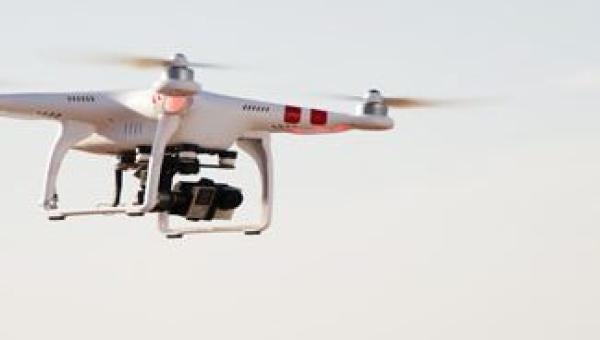
Government overreach is an issue that strikes a bipartisan chord. For some, the May 19th ruling by a federal appeals court – which eliminates the Federal Aviation Administration’s (FAA) 2015 requirement that hobbyists register their drones – may serve as a badge of freedom from the perpetual gaze of “Big Brother.”
It’s been two and a half years since Congress granted the Department of Homeland Security’s Chemical Facility Anti-Terrorism Standards (CFATS) program long-term authorization.