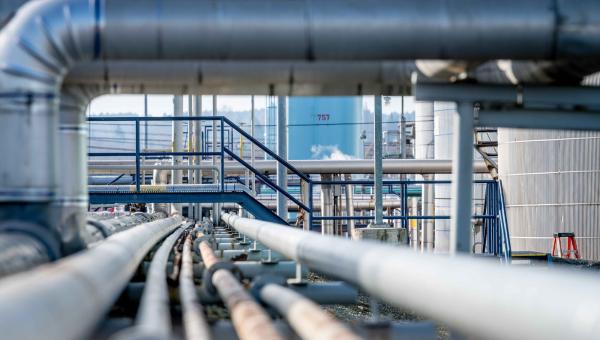
The fuel and petrochemical manufacturing industries have come a long way from the simple thermal stills used to create kerosene in the 19th century to today’s sophisticated, high-tech and complex facilities that help provide America — and the world — with the fuels, petrochemicals and products that we all rely upon every day.
AFPM opposes the Inflation Reduction Act as written. We evaluated the bill against our core principles, specifically whether the legislation would support strong U.S. refining and petrochemical industries and whether it pursued emissions reductions in a market-based and cost-effective manner. Unfortunately, the IRA falls short of these goals.
AFPM asked collegiate teams to create an original video highlighting the career opportunities within the fuel refining and petrochemical manufacturers industries in addition to showing the benefits our industries provide to everyday lives.
WASHINGTON, D.C. — American Fuel & Petrochemical Manufacturers (AFPM) President and CEO Chet Thompson issued the following statement on the inauguration of the 47th President of the United States and the opportunity to advance policies that deliver for American energy manufacturers and consumers:
U.S. refining capacity increased to more than 18.8 million barrels per day as of January 1, 2019, the highest capacity on record, according to a new report issued by the Energy Information Administration.
Today, AFPM launched an advertising campaign asking President Trump to keep his promise to protect U.S. refiners from unchecked ethanol mandates that threaten to kill our jobs.
If you are an educator or parent looking for a range of industry related tools to assist with lesson plans, classroom demonstrations and activities, several organizations have a variety of resources available.
Many careers in the fuel and petrochemical industries only require a high school diploma; however, pursuing a certificate, 2-year, 4-year, or advanced degree can make you a more competitive candidate...