For more than 100 years, the women and men of our industries have answered the call to serve when our country needed them. Through war, economic shocks, and natural disasters, refiners and petrochemical manufacturers have helped build new industries, grow our economy and fuel progress.
The fuel and petrochemical industries employ highly trained, talented people who produce the fuels, feedstocks and products that are critical to the well-being of our economy and country. Supporting...
With recent plastic waste legislation from New York and New Jersey making headlines, we sat down with AFPM Senior Director of Petrochemicals, Transportation and Infrastructure Rob Benedict to discuss the petrochemical industry’s role in reducing plastic waste, new technological breakthroughs and how AFPM analyzes plastic waste policy proposals.
WASHINGTON, D.C. - This is a poorly devised bill that runs contrary to its purported purpose of improving the global environment. Banning the export of U.S. manufactured petrochemicals and polymers is shortsighted and will negatively impact global supply chains for essential materials and products.
America’s refining and petrochemical community employs and supports over three million people, hiring individuals from all education levels to fill a wide range of positions (such as welders, electricians, chemists, and engineers).
WASHINGTON, D.C. – This decision by the Canadian government to designate plastic manufactured items as “toxic” is unwarranted and not based in science.
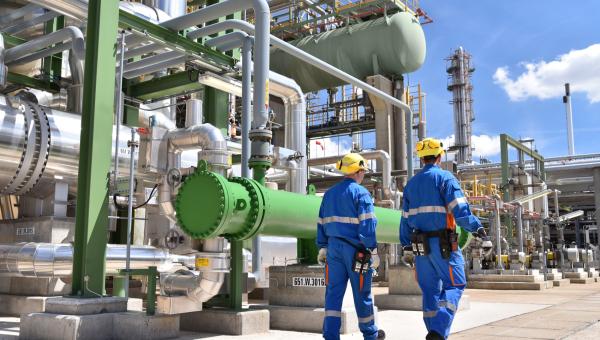
The fuel and petrochemical manufacturing industries have come a long way from the simple thermal stills used to create kerosene in the 19th century to today’s sophisticated, high-tech and complex facilities that help provide America — and the world — with the fuels, petrochemicals and products that we all rely upon every day.
McKinsey released a new report outlining the emissions profiles of plastic vs. non-plastic alternatives in multiple use cases. They found that in nearly every case examined, plastics are responsible for less greenhouse gas emissions throughout their lifecycle than alternative materials.