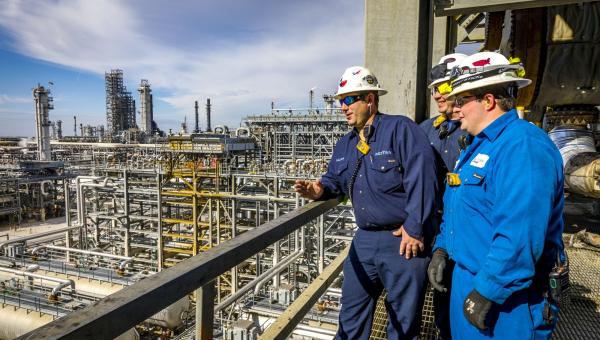
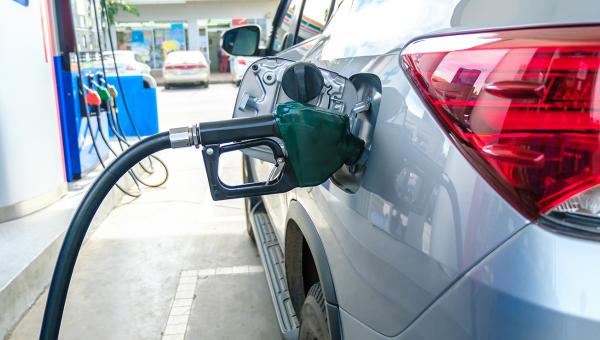
In a tight refined product market it has been U.S. refiners that have stepped up. Our industry ran full-out for most of 2022 making sure American consumers, our domestic economic centers and our allies had enough gasoline, diesel and jet fuel to keep everyone moving. Our refining sector leads the world in liquid fuel production and is effectively doing more than any other to bring better balance to the global market.
Visit AFPM’s Hurricane and Weather Event Resource Center for more information on steps being taken to ensure the safety of our members’ facilities, their employees and the communities that surround them.
WASHINGTON, D.C. – The American Fuel & Petrochemical Manufacturers (AFPM) has announced the winners of the 2018 Annual Safety Awards, part of an ongoing mission to enhance and recognize outstanding workplace safety.
AFPM’s online Safety Portal serves as the hub for all Occupational and Process Safety programs. Access to the Safety Portal is available to all member operating companies who have a signed Corporate User Agreement with AFPM.
WASHINGTON D.C. – Chet Thompson, president and CEO of the American Fuel & Petrochemical Manufacturers (AFPM), today released the following statement in response to the Environmental Protection Agency’s efforts to modify how it approaches cost-benefit evaluations of its environmental rules.
AAA expects roughly 45 million travelers to head out of town and go at least 50 miles from home over the upcoming Memorial Day weekend, breaking a 20-year travel record in the process. The vast majority of these travelers—nearly 90%—are likely to be road warriors, driving cars and trucks fueled by American-made gasoline.
Every day, U.S. consumers purchase more than 350 million gallons of gasoline to get to work and school, to go on vacation and to see family. But what goes into the price we pay for gasoline?
Rosemount, Minn. – The flame at the top of a 400-foot stack here at the Flint Hills Resources' Pine Bend refinery used to burn so brightly and so consistently that some say it was used to train pilots to land planes at the Minneapolis-St. Paul Airport.
If you read the headlines in the news lately — “Greenhouse Gas Emissions From Plastics Are Predicted to Rise,” “New Texas petrochemical projects add millions of tons of greenhouse gas pollution, report finds” — you’d think emissions from the petrochemical industry were getting worse.