A nationwide 95 RON octane standard for vehicles can deliver major carbon reductions in the nation’s light-duty auto fleet faster and at a lower cost than any other proposal being considered by policymakers right now, especially policies seeking to force nationwide vehicle electrification.
COVID-19 upended energy markets. Demand disappeared and producers scaled back. Now that economies are reopening, and the demand for goods and services is rebounding, the demand for energy all along the supply chain is increasing, driving up not only the cost of the feedstocks and fuels refineries and petrochemical manufacturers use, but also the cost of the energy used at every step of the supply chain.
WASHINGTON, D.C. – Chet Thompson, president and CEO of the American Fuel & Petrochemical Manufacturers (AFPM), today issued the following statement in response to comments by Vice President Joseph R. Biden Jr. in last night’s presidential debate
WASHINGTON, D.C. – "Federal policy is discouraging supply by shutting down pipelines, putting future production off limits, talking down the future of the petroleum business, and imposing expensive requirements on refineries, chief among them a burdensome Renewable Fuel Standard. The Administration is blaming others when it ought to take a sober look at its own energy policy."
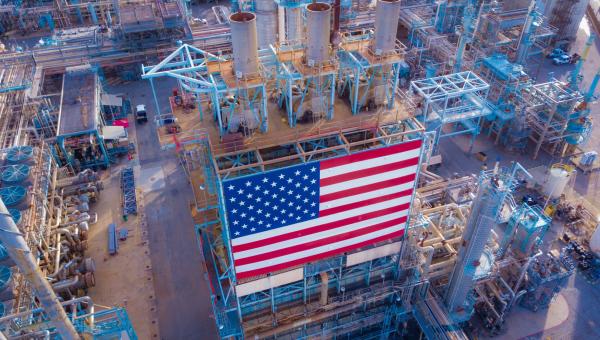
The U.S. refining industry is the most competitive in the world, which is a benefit to American households. Our complex facilities are uniquely suited to handle difficult-to-refine crude oil and other petroleum feedstocks that refineries elsewhere cannot process. This creates competitive advantage. At the same time, the United States is able to sell some of our higher-quality crude to countries that need it. This combination is powerful.
AFPM opposes the Inflation Reduction Act as written. We evaluated the bill against our core principles, specifically whether the legislation would support strong U.S. refining and petrochemical industries and whether it pursued emissions reductions in a market-based and cost-effective manner. Unfortunately, the IRA falls short of these goals.
Petrochemicals derived from oil and natural gas are the building blocks for products that protect our military personnel, create medical advancements to help save lives in combat, and aid our wounded warriors.