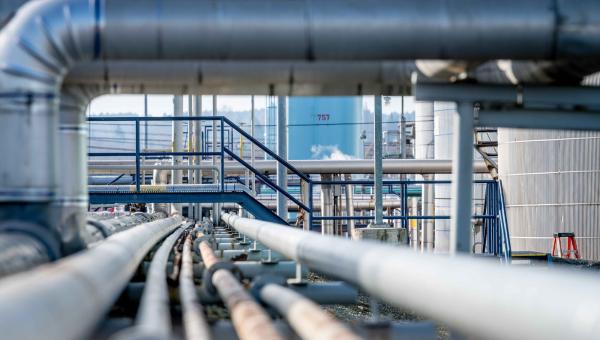
AFPM opposes the Inflation Reduction Act as written. We evaluated the bill against our core principles, specifically whether the legislation would support strong U.S. refining and petrochemical industries and whether it pursued emissions reductions in a market-based and cost-effective manner. Unfortunately, the IRA falls short of these goals.
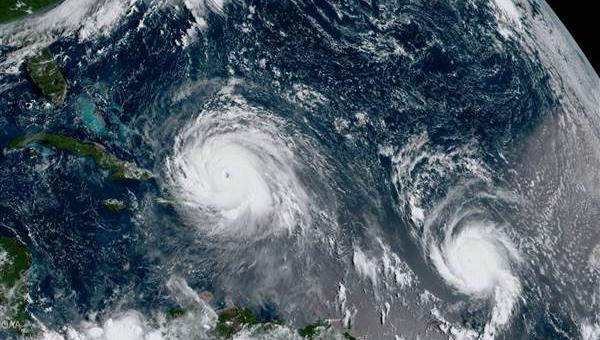
A duo of strong storms that swept through the United States has temporarily disrupted domestic fuel markets, but effective responses by the private and public sectors have limited the fallout from Hurricanes Harvey and Irma for Americans who need fuel critical for commerce.
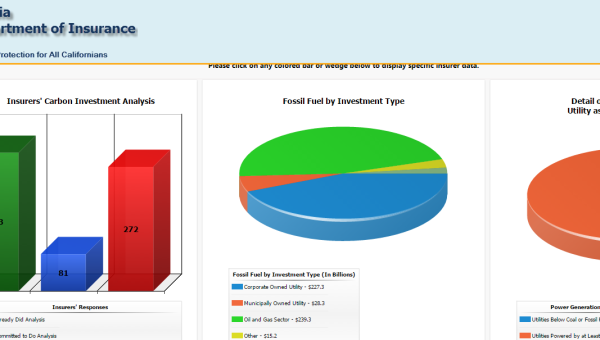
Last week, California Insurance Commissioner Dave Jones launched the latest salvo in his relentless crusade to coerce the nation’s leading insurance companies to divest from oil and natural gas company holdings.
The temporary enforcement policy announced by the Environmental Protection Agency (EPA) triggered criticism about some in the oil and gas industry getting a “license to pollute” during a public health emergency.
Nothing is more important than the health and safety of our people and our communities—the communities where our employees live, work and go to school.
In advance of the AFPM Summit, AFPM Vice President of Technical and Safety Programs Lara Swett and Technical Operations Program Leader Alyse Keller talk about one of AFPM’s premier safety programs, Walk the Line.
Publicly owned companies, like many U.S. refineries, have a fiduciary responsibility (which is a legal obligation) to act in the best interest of their shareholders, and that extends to how companies spend their earnings. Often, earnings are spent on a combination of the following: direct dividends, stock buy back programs, paying down debt and capital investment projects.
Nine U.S. senators today called on the administration to uphold the law and ensure that qualified small refineries continue to have protection from disproportionate economic hardship brought on by the Renewable Fuel Standard (RFS).