As I write this in the early afternoon of Monday, May 15, I just finished reading the latest bulletin from DHS on WannaCry, the ransomware virus that has become a lead news story since the weekend.
Marathon Petroleum Corporation has a longstanding tradition of supporting community and educational initiatives around the country, such as the Boys & Girls Club in Carson and Los Angeles Harbor, California.
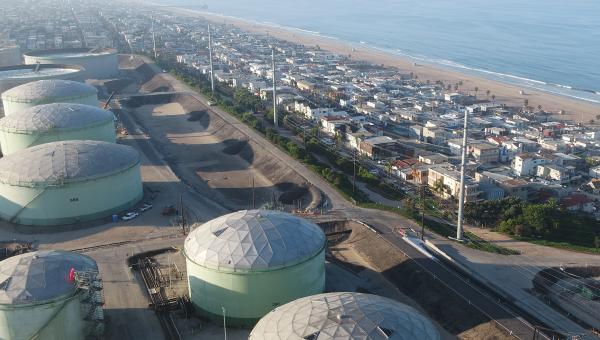
With some of the strictest environmental standards in the nation, Chevron’s El Segundo refinery in Los Angeles County, California, shows what is possible when industry works hand-in-hand with the neighboring community.
In late July, Congress allowed a valuable program that enhances security at chemical facilities across the country to expire. The program is called the Chemical Facility Anti-Terrorism Standards (CFATS), and its primary mission is to protect chemical facilities from potential terror threats by addressing a wide range of possible vulnerabilities, including cyberattacks.
"AFPM is extremely disappointed that the Chemical Facility Anti-Terrorism Standards (CFATS) program was allowed to expire and strongly urges the Senate to pass H.R. 4470 as soon as possible so that our members can resume their longstanding, collaborative relationship with the Department of Homeland Security (DHS) via the CFATS program. Our industries remain committed to providing the best security possible while the program’s regulations remain unauthorized.."
A legal representative for numerous U.S. small refineries has submitted a letter to the Environmental Protection Agency opposing calls for the agency to share confidential business information of small refineries with the U.S. Secretary of Agriculture.
Visit AFPM’s Hurricane and Weather Event Resource Center for more information on steps being taken to ensure the safety of our members’ facilities, their employees and the communities that surround them.