An exhaustive study by top scientists at three government agencies in two countries (DOT, DOE, and Transport Canada) has found no evidence for restricting the vapor pressure of crude oil transported by rail.
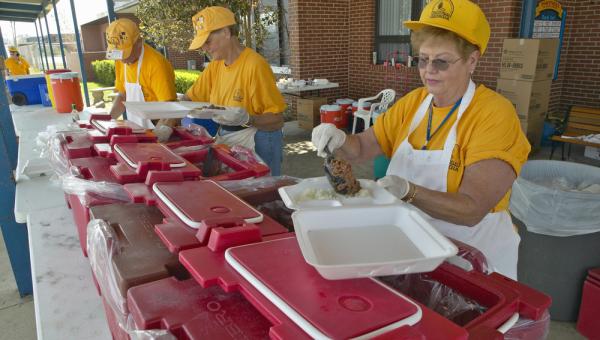
As industries with deep-running safety cultures and critical roles in product supply chains, the fuel and petrochemical industries are uniquely positioned to share vital products with some of those most in need during the COVID-19 pandemic.
The fuel and petrochemical industries have a long history of supporting the communities in which they live and operate, and they have amped up that support during this difficult time.
WASHINGTON, D.C. – The American Fuel & Petrochemical Manufacturers (AFPM) and EdVenture Partners (EVP) named the winning team of the Second Annual AFPM Recruitment Challenge.
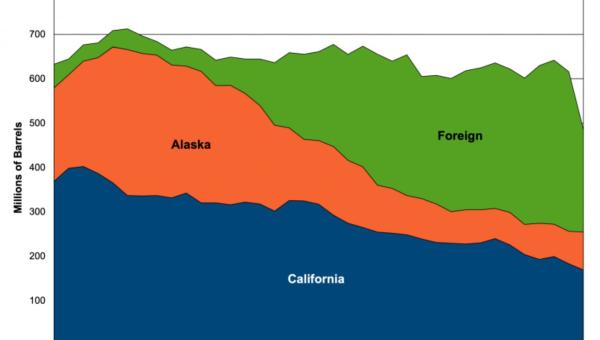
Limiting California’s access to the exact types of crude oil its facilities need will only increase prices for the state’s consumers and travelers. Drivers are already dealing with gasoline prices in excess of $5 per gallon and the highest fuel taxes of the 50 states. Confining energy producers and consumers to a smaller pool of crude oil will make a very sensitive price environment that much worse.
The unprecedented disaster wrought by Hurricane Harvey has the safety of friends, family, colleagues and communities along the Gulf Coast weighing heavy on our minds and hearts.
Negotiations to modernize the North American Free Trade Agreement (NAFTA) are a chance to boost the competitiveness of U.S. companies in Canada and Mexico and solidify the preeminent role U.S. refiners and petrochemicals producers play in enabling global transportation and manufacturing.
Last spring,11-year-old Q’yaron Gadsonrode his bicycle up to a neighbor mowing his lawn to ask if he could assume the job that summer to gain work experience.
In just five days, Hurricane Harvey unleashed one trillion gallons of water on the Houston area — equivalent to the amount rushing over Niagara Falls in a two-week period. The unprecedented rain has...