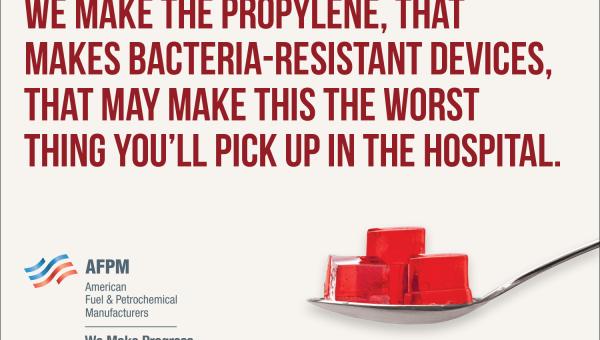
Petrochemicals derived from oil and natural gas are the building blocks for products that protect our military personnel, create medical advancements to help save lives in combat, and aid our wounded warriors.
Mowing lawns is a summertime rite of passage in America, providing young people with experience pitching their business to neighbors, keeping a work schedule, and making and managing money—from purchasing the gasoline that fuels the operation, to budgeting for the oils and lubricants that keep a mower’s engine and blades running smoothly.
The friendly skies have never been more crowded. In 2018, 4.3 billion passengers stowed their tray tables and brought their seat backs into the upright position on their way to and from wherever they wanted — or needed — to go.
Plastic roads and buildings, the influence of energy and petrochemicals in geopolitics, and chemical and molecular recycling processes that could create a truly circular economy for plastic products were just a few of the topics discussed at AFPM’s 44th International Petrochemical Conference (IPC) in San Antonio last week.
Memories from summer camp can last a lifetime, like finally working up the courage to jump off the rope swing or the excitement you felt performing with your friends in the talent show. When it’s a STEM (Science, Technology, Engineering, and Mathematics) summer camp – those experiences can also ignite a lifelong passion.
What comes next for returning service members varies greatly. For McNeill and Harbin, both found rewarding work that instilled pride in them not too dissimilar from what they felt serving their country - in the fuel refining and petrochemical industries.