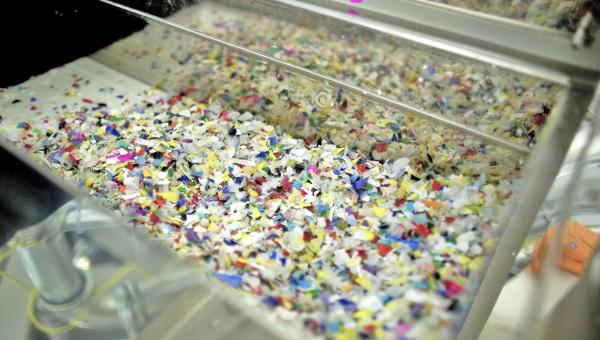
An engineer scoops a handful of tiny pellets out of a stainless-steel canister at a manufacturing plant in the Netherlands and rolls them around in his hand.
Many waste items provide important value before being tossed into a bin. Discarded plastic products, for example, originally serve as packaging to keep school lunches fresh, lightweight bottles for efficiently transporting fresh water to hard-to-reach areas, containers for soaps and detergents that facilitate hygiene – and much more.
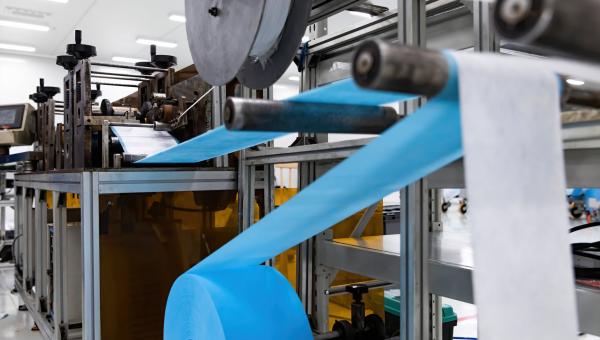
Navigating our current health crisis offers frequent reminders of the critical role petrochemicals, particularly plastics, play in daily life — whether in the masks and gloves that protect our frontline health care providers, the containers that hold our takeout food, or the wrapping that keeps our groceries fresh and clean.
As industries with deep-running safety cultures and critical roles in product supply chains, the fuel and petrochemical industries are uniquely positioned to share vital products with some of those most in need during the COVID-19 pandemic.
The fuel and petrochemical industries have a long history of supporting the communities in which they live and operate, and they have amped up that support during this difficult time.
AFPM Senior Petrochemical Advisor Jim Cooper talks about the central role of petrochemicals in health care, and why the petrochemical industry is considered critical infrastructure.
AFPM Senior Petrochemical Advisor Jim Cooper answered a few questions to help illuminate some of the ways that petrochemicals—and the industries that produce them—are working to protect people from the coronavirus.