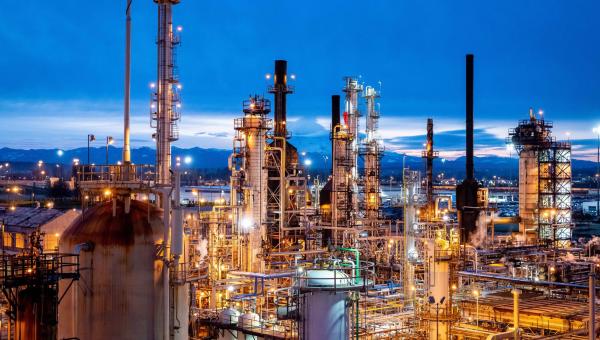
WASHINGTON, D.C. – The United Steelworkers—on behalf of their 1.2 million active and retired members, and the American Fuel & Petrochemical Manufacturers, in a joint letter, have petitioned President Biden to fill the four empty seats on the Chemical Safety & Hazards Investigations Board (CSB).
America’s refining and petrochemical community employs and supports over three million people, hiring individuals from all education levels to fill a wide range of positions (such as welders, electricians, chemists, and engineers).
The United States has the most complex and efficient refining industry in the world, but we also have less refining capacity than we used to. Where the issue of refining capacity is concerned, it’s important to understand what refining capacity is, why we’ve lost capacity in the United States and how policies can advance the competitiveness of our refineries in the global market.
AFPM asked collegiate teams to create an original video highlighting the career opportunities within the fuel refining and petrochemical manufacturers industries in addition to showing the benefits our industries provide to everyday lives.
As part of the 2016 AFPM Recruitment Challenge, collegiate teams were tasked with creating an original video that highlights the different career opportunities within the refining and petrochemical industries in addition to showing the benefits those industries provide to our everyday lives.
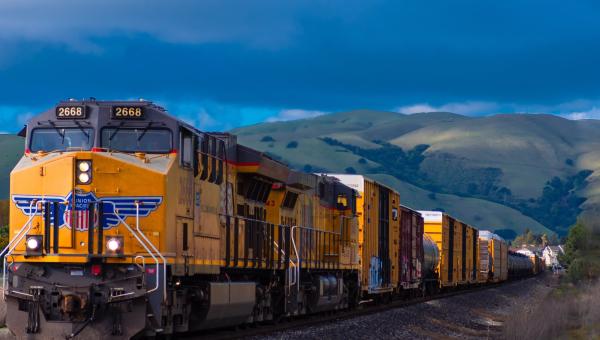
On Tuesday, November 29th AFPM President and CEO Chet Thompson sent a letter to Congressional leadership urging their immediate intervention to avoid a rail worker strike. Thompson stressed that time is of the essence since shipping embargos and service curtailments capable of disrupting U.S. manufacturing, fuel production and freight deliveries are starting now, well before a December 9 work stoppage. A copy of AFPM’s letter is available here and excerpts can be found below:
If you are an educator or parent looking for a range of industry related tools to assist with lesson plans, classroom demonstrations and activities, several organizations have a variety of resources available.
Many careers in the fuel and petrochemical industries only require a high school diploma; however, pursuing a certificate, 2-year, 4-year, or advanced degree can make you a more competitive candidate...