The Energy Information Administration today released figures that give everyone in the industry reason to cheer: U.S. energy-related carbon dioxide emissions in 2015 are 12% below their 2005 levels...
The beginning of fall once again marks the start of another school year filled with endless possibilities for wide-eyed students eager to learn. For AFPM, the beginning of the school year is yet...
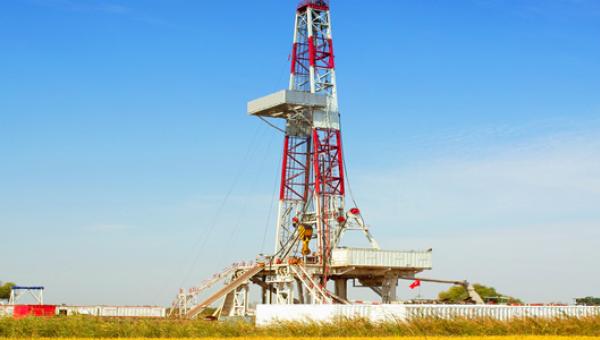
America’s abundance of oil and natural gas is providing a variety of high-tech, well-paying careers. More than 30 refinery expansions worth $14 billion are currently under development across the...
WASHINGTON, D.C. – AFPM President and CEO Chet Thompson today issued the following statement in response to Gov. Newsom’s executive order outlining his aspirational goal to ban the sale of new passenger cars and trucks with internal combustion engines.
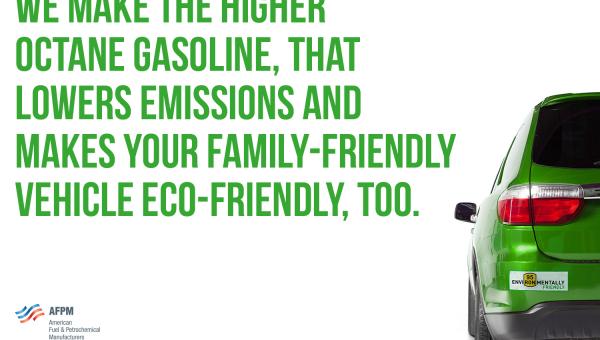
Building on decades of broader efforts alongside automakers to advance fuel-efficient technologies and vehicles, refiners are leading the effort to transition the U.S. to high-octane gasoline.
Often overlooked in the compendium of efforts toward a cleaner vehicle fleet are bold, industry-led innovations inefficient liquid fuels, vehicle designs and internal combustion engines that continue to dramatically reduce tailpipe emissions.
Employee health and safety is top priority for the fuel and petrochemical industries, and the COVID outbreak has necessitated a number of changes to business operations.
We took a moment to speak with Adam Ali, AFPM’s Manager of Workforce Development, about changes in the workplace employees are experiencing – including what happens when someone tests positive for COVID-19 — and actions being taken to protect and support the workforce.
WASHINGTON, D.C. – “AFPM joins other industry groups and the Clean Air Scientific Advisory Committee in support of the EPA’s proposal to retain current health and environment air quality standards.