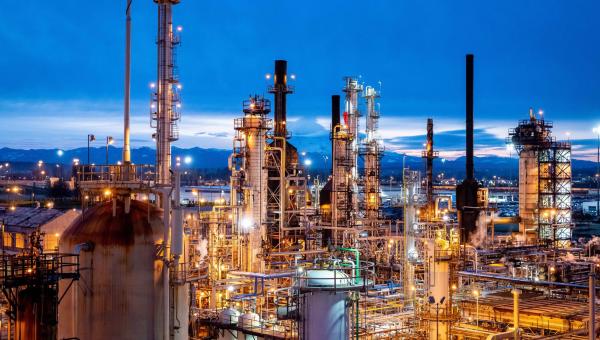
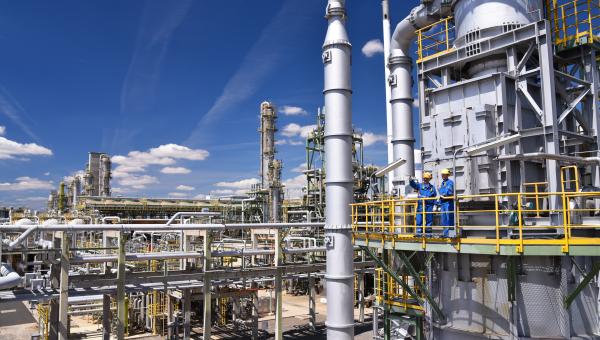
The United States has the most complex and efficient refining industry in the world, but we also have less refining capacity than we used to. Where the issue of refining capacity is concerned, it’s important to understand what refining capacity is, why we’ve lost capacity in the United States and how policies can advance the competitiveness of our refineries in the global market.
In late July, Congress allowed a valuable program that enhances security at chemical facilities across the country to expire. The program is called the Chemical Facility Anti-Terrorism Standards (CFATS), and its primary mission is to protect chemical facilities from potential terror threats by addressing a wide range of possible vulnerabilities, including cyberattacks.
Governor Gavin Newsom continues to blame fuel refiners for California’s highest-in-the-nation fuel prices. He couldn't be more wrong. The problem and solution to much of California’s fuel price challenge can be found in Sacramento policy. Take a look to better understand the role of policy in regional price differences, why it’s inaccurate to equate “margins” or “refinery cracks” with “profits,” and why windfall profit taxes are a known policy failure.
"AFPM is extremely disappointed that the Chemical Facility Anti-Terrorism Standards (CFATS) program was allowed to expire and strongly urges the Senate to pass H.R. 4470 as soon as possible so that our members can resume their longstanding, collaborative relationship with the Department of Homeland Security (DHS) via the CFATS program. Our industries remain committed to providing the best security possible while the program’s regulations remain unauthorized.."
A legal representative for numerous U.S. small refineries has submitted a letter to the Environmental Protection Agency opposing calls for the agency to share confidential business information of small refineries with the U.S. Secretary of Agriculture.
Visit AFPM’s Hurricane and Weather Event Resource Center for more information on steps being taken to ensure the safety of our members’ facilities, their employees and the communities that surround them.
Though it is largely unseen, cybersecurity permeates most, if not all, aspects of fuel and petrochemical manufacturing, ensuring our industries can function efficiently and without disruption.
Visions of a more sustainable and tech-enabled future dominated the agenda at the American Fuel & Petrochemical Manufacturers’ 117th annual meeting in San Antonio last week.
Hurricane season is coming — beginning June 1 and lasting through the end of November — and with it comes unpredictable storms and heightened risks. With forecasts predicting up to 19 named storms and 10 hurricanes — the refining and petrochemical industries are prepared.