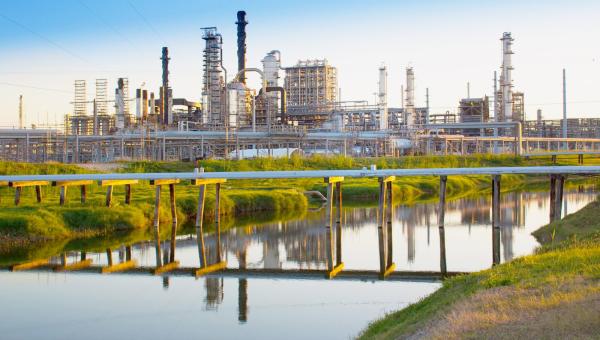
In the context of a refinery, petrochemical or chemical facility, Digital Twins can be used to model and simulate the structure and behavior of equipment, systems, and processes. This session will decompose and demystify the ‘Asset’ and ‘Visual’ virtual representations and their association with one another as Digital Twins. Supported by key use cases that are commonly faced by every operating facility along with actual achieved benefits.
Participants will:
Gain a basic practical understanding Digital Twins in their primary forms,
Secure guidance as to the accepted prerequisites, methods, and required level of effort to craft and deploy Digital Twins,
Learn about Digital Twin sustainment challenges and mitigation strategies, and
The achievable benefits to be realized from Digital Twin initiatives supported by actual use case experiences.
Facilitator: Bruce Taylor, Digital Transformation SME, FurtherTec
Speakers:
Bruce Taylor, Digital Transformation SME, FurtherTec
Adam Williams, Motiva Enterprises LLC
The industrial sector is going through digital transformation. ExxonMobil's Digital Reality Ecosystem, aka the Industrial Metaverse holds huge benefits with its ability to visualize their sites and offer seamless immersive and connected experiences across their fleet of assets. As this is an emerging technology space, there are diverse sets technologies that will need to be curated as the Industrial Metaverse is still in infancy stage. This session will explore existing and potential industrial use cases of the metaverse, augmented/mixed reality to illustrate the various functions, applications, and benefits of the technology. Participants will:
Gain an understanding of how ExxonMobil is moving to a visual way of working utilizing innovations and new technologies
Learn about the components of the ecosystem
Appreciate the value of data interoperability
Facilitator:
Adi Punuru, ExxonMobil Technology and Engineering Company
Speakers:
Athicha 'M' Dhanormchitphong, ExxonMobil Global Services Company
Kyle Daughtry, ExxonMobil Global Services Company
This session explores the issue of making data driven open loop models for a complete plant. This involves many independent and dependent variables and the task is to find meaningful and reproducible relationships between them. This webinar will help anyone involved in the task in the refinery, petrochemicals, or any continuous processing unit.
Facilitator: Atique Malik, AIControl LLC
Speakers:
Adi Punuru, ExxonMobil Research & Engineering Co.
Rajan Rathinasabapathy, Phillips 66
Vikram Gokhale, Chevron U.S.A.
Stephen Dzuik, Aspen Tech
Aaron Durke, Imubit
Yangdong Pan, Delek US
Alex Kalafatis, Aspen Tech
Generative AI is now widely available, often integrated into existing applications and tools in our facilities. While commonly used for writing, its potential to transform routine work is immense. GenAI can significantly enhance efficiency, effectiveness, and job satisfaction by reducing effort on repetitive low-value tasks. A panel will discuss various practical use cases to showcase how GenAI is being applied in everyday operations.
Take Aways:
Scope of capabilities represented by GenAI (Text, Graphics, Code, and more)
Creative and practical examples of how GenAI has been effectively applied
Insights into the attributes of a good opportunity for GenAI and implementation approaches
Moderator:
Bruce Taylor, FurtherTec
Speakers:
Ryan Byrne, Macedon Technologies
Brandon Taylor, Flatirons Digital Innovations
Andrew Vignes, HF Sinclair Corporation
Patrick Robinson, PBF Energy, Inc.
Visit AFPM’s Hurricane and Weather Event Resource Center for more information on steps being taken to ensure the safety of our members’ facilities, their employees and the communities that surround them.
Hurricane season is coming — beginning June 1 and lasting through the end of November — and with it comes unpredictable storms and heightened risks. With forecasts predicting up to 19 named storms and 10 hurricanes — the refining and petrochemical industries are prepared.
Digital Twins offer substantial value to the intricate physical environments of refineries and petrochemical facilities. Optimizing this value relies on providing perspectives that cater to the diverse requirements of each user based on their specific job roles. This discussion will cover strategies for leveraging Digital Twins as collaborative tools to enhance communication across functions, as well as tactics to ensure the model accurately reflects the most current environment.
Participants will have:
Improved clarity/understanding of what a Digital Twin is
Innovative examples of how Digital Twins improve overall performance
Insights into accepted methods and practices for sustaining a Digital Twin
Check out the 2023 Summit session Digital Twin Applications to APS, AI, ASM, DX at https://safetyportal.afpm.org/
Moderator:
Craig Harclerode, PI AF Consulting
Speakers:
Sara Gall, Phillips 66
Ryan Guillory, Marathon Petroleum Corporation
Bryan McAlister, Schneider Electric
HOUSTON — The dog days of summer typically bring one or two hurricanes that lash the U.S. Gulf Coast. The punch of these storms, with their powerful winds and heavy rains, often has the potential to curb production at Gulf Coast refineries that together churn out nearly 50 percent of U.S. motor fuels and are crucial to our economy.