U.S. petrochemical manufacturers are at the forefront of research and development into cutting-edge solutions to give new life to used plastic products. Leveraging their in-depth understanding of plastics’ molecular composition and the manufacturing process itself, AFPM members are investing in recycling technology, infrastructure and partnerships that will reduce mismanaged plastic waste by applying unlocking its value as a feedstock.
Hurricane Ida knocked out power to over one million people and created devastation that will take months to address. But as soon as the storm passed, the fuel and petrochemical industries began stepping up with financial assistance, in-kind donations and in-person support to help affected communities recover and rebuild.
With recent plastic waste legislation from New York and New Jersey making headlines, we sat down with AFPM Senior Director of Petrochemicals, Transportation and Infrastructure Rob Benedict to discuss the petrochemical industry’s role in reducing plastic waste, new technological breakthroughs and how AFPM analyzes plastic waste policy proposals.
Polyester soccer jerseys, polyethylene swim lane dividers, carbon track shoe insoles, and the jet fuel that moves athletes all over the world. These are just a few examples of the and fuels and petrochemical-based materials that play an irreplaceable role in summer sports.
As we approach the 2022 hurricane season, experts are predicting yet another severe year, with some saying it will compare to last year. No one knows how accurate these predictions will be, but we can...
The U.S. petrochemical industry has a crucial and enduring role to play in meeting the needs of a growing world population while simultaneously fulfilling the imperative to produce petrochemicals in a sustainable and clean manner.
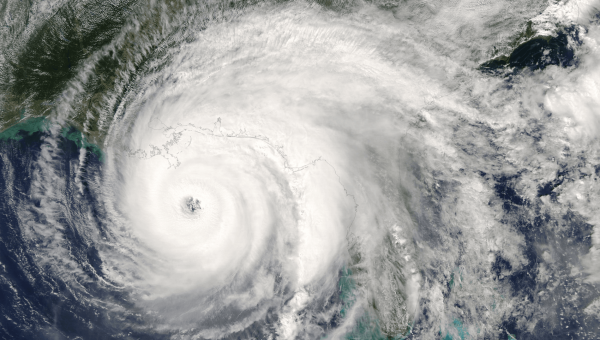
All eyes are on Hurricane Ian, which is expected to approach Florida’s west coast later Wednesday and into Thursday bringing high winds and massive amounts of rain. Although our nation’s refiners and petrochemical manufacturers do not have facilities in the affected region, we’d like to urge the people in the area to prepare for the storm and heed all evacuation notices. Florida residents can get critical preparedness and evacuation information here.
“Our country has seen time and again that major storms and often-correlated runs on gas stations can have a swift impact on prices. Already in Florida, some key areas are functioning with roughly 20 percent of retail stations either out of gas or out of power. That means there is less supply overall and some temporary inability to access supplies in certain Florida communities where there is, at present, heightened local demand. The market is resilient and will work to fix this imbalance swiftly, but a return to normalcy will likely not be immediate as the supply chain is complex and buyers will need to return to their normal purchasing habits."