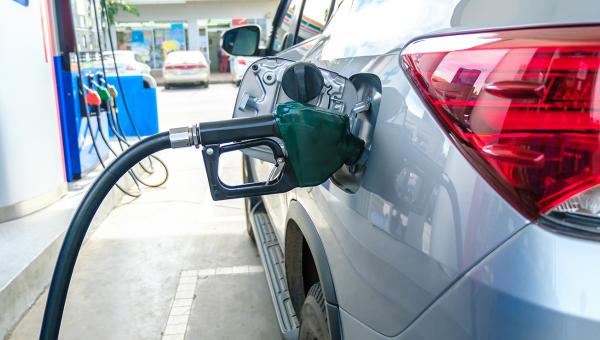
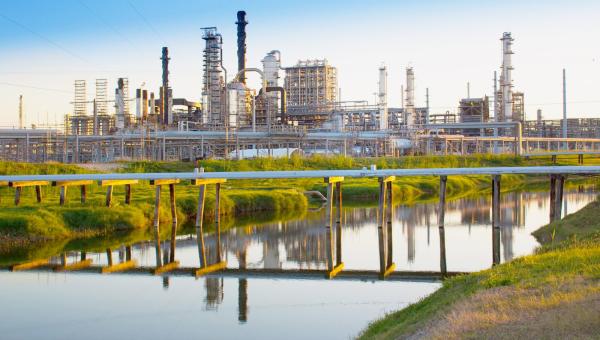
Every day, U.S. consumers purchase more than 350 million gallons of gasoline to get to work and school, to go on vacation and to see family. But what goes into the price we pay for gasoline?
Pundits and politicians often frame energy technologies like solar generation and liquid fuels as competitors, not companions. But a visit to Flint Hills Resources’ Pine Bend refinery might change their minds.
WASHINGTON, D.C. — AFPM Senior Vice President of Government Relations & Policy, Geoff Moody, issued the following statement today on Utah’s announcement of an agreement around House Bill 575.
Rosemount, Minn. – The flame at the top of a 400-foot stack here at the Flint Hills Resources' Pine Bend refinery used to burn so brightly and so consistently that some say it was used to train pilots to land planes at the Minneapolis-St. Paul Airport.
If you read the headlines in the news lately — “Greenhouse Gas Emissions From Plastics Are Predicted to Rise,” “New Texas petrochemical projects add millions of tons of greenhouse gas pollution, report finds” — you’d think emissions from the petrochemical industry were getting worse.
HOUSTON — The dog days of summer typically bring one or two hurricanes that lash the U.S. Gulf Coast. The punch of these storms, with their powerful winds and heavy rains, often has the potential to curb production at Gulf Coast refineries that together churn out nearly 50 percent of U.S. motor fuels and are crucial to our economy.