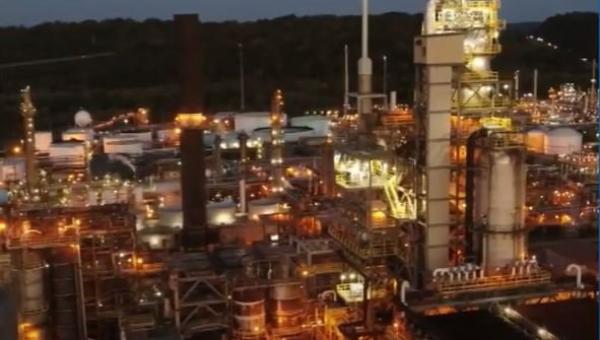
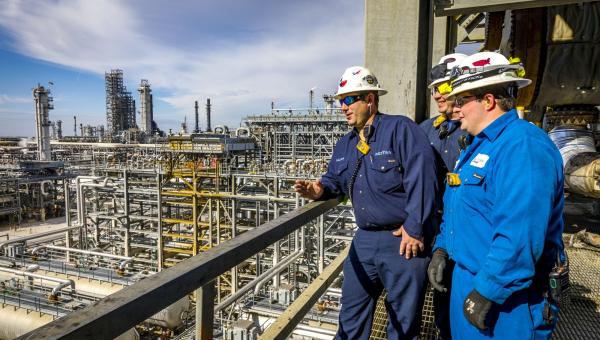
Refinery utilization, measures how much crude oil refineries are processing or “running” as a percentage of their maximum capacity. It tells us roughly how much of our refining muscle is being put to work manufacturing fuel. American refineries are running full-out, at about 95% of total capacity, contributing more fuel—gasoline, diesel, jet fuel, etc.—to the global market than any other country. In fact, U.S. refineries process more crude oil every day than the United States produces, and we make more finished fuels than the United States consumes.
The return of fuel demand to pre-pandemic levels and the slower rebound of crude oil and fuel production has created concerns about whether supplies of gasoline, diesel and jet fuel will be sufficient to meet global demand. U.S. refineries are up and running at near maximum utilization. Other major refining countries, for a variety of reasons, have not kept pace bringing their facilities back into operation or resuming sales of fuel to the market. As a result, wholesale fuel prices have increased and so have refinery “crack spreads."
All eyes are on Hurricane Ian, which is expected to approach Florida’s west coast later Wednesday and into Thursday bringing high winds and massive amounts of rain. Although our nation’s refiners and petrochemical manufacturers do not have facilities in the affected region, we’d like to urge the people in the area to prepare for the storm and heed all evacuation notices. Florida residents can get critical preparedness and evacuation information here.
“Our country has seen time and again that major storms and often-correlated runs on gas stations can have a swift impact on prices. Already in Florida, some key areas are functioning with roughly 20 percent of retail stations either out of gas or out of power. That means there is less supply overall and some temporary inability to access supplies in certain Florida communities where there is, at present, heightened local demand. The market is resilient and will work to fix this imbalance swiftly, but a return to normalcy will likely not be immediate as the supply chain is complex and buyers will need to return to their normal purchasing habits."
Experts are predicting this year’s season to be similar to last or even a little less severe, with Colorado State University Tropical Forecast calling for 13 named storms, six hurricanes and two category 3 or higher hurricanes. And as they do every year, refining and petrochemical companies are doing their part to ensure they are prepared for every possible scenario and batting down the hatches, if you will.
In a tight refined product market it has been U.S. refiners that have stepped up. Our industry ran full-out for most of 2022 making sure American consumers, our domestic economic centers and our allies had enough gasoline, diesel and jet fuel to keep everyone moving. Our refining sector leads the world in liquid fuel production and is effectively doing more than any other to bring better balance to the global market.
Visit AFPM’s Hurricane and Weather Event Resource Center for more information on steps being taken to ensure the safety of our members’ facilities, their employees and the communities that surround them.
Hurricane season is coming — beginning June 1 and lasting through the end of November — and with it comes unpredictable storms and heightened risks. With forecasts predicting up to 19 named storms and 10 hurricanes — the refining and petrochemical industries are prepared.