Nothing is more important than the health and safety of our people and our communities—the communities where our employees live, work and go to school.
Right now, members of Congress are debating a series of taxes as part of the multi-trillion-dollar reconciliation package that could make the crude oil that runs through U.S. refineries more expensive.
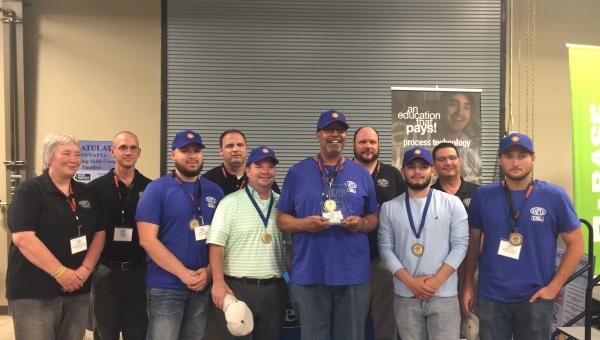
Marathon Petroleum Corporation has a longstanding tradition of supporting community and educational initiatives around the country, such as the Boys & Girls Club in Carson and Los Angeles Harbor, California.
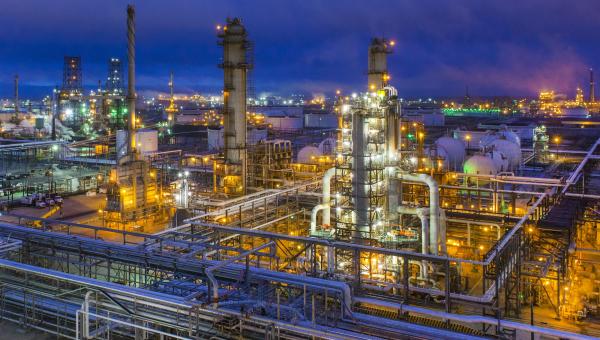
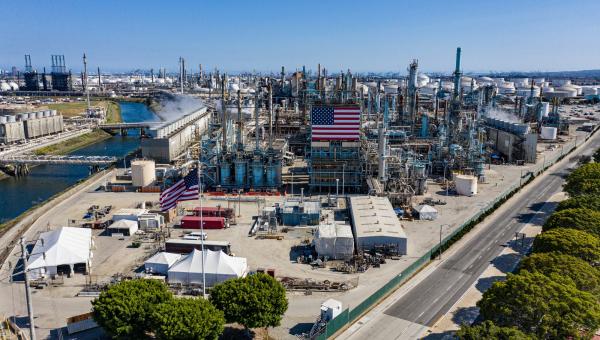
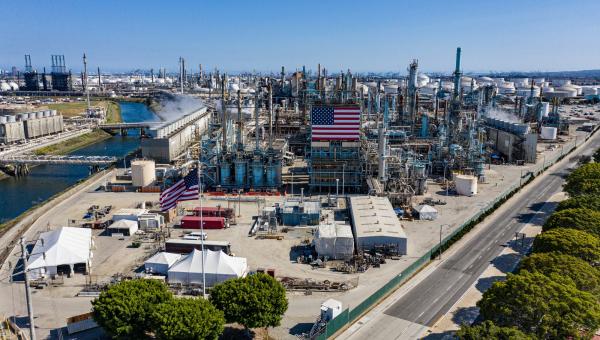
With some of the strictest environmental standards in the nation, Chevron’s El Segundo refinery in Los Angeles County, California, shows what is possible when industry works hand-in-hand with the neighboring community.
WASHINGTON, D.C. – "Federal policy is discouraging supply by shutting down pipelines, putting future production off limits, talking down the future of the petroleum business, and imposing expensive requirements on refineries, chief among them a burdensome Renewable Fuel Standard. The Administration is blaming others when it ought to take a sober look at its own energy policy."
We are surprised and disappointed by the President’s letter. Any suggestion that U.S. refiners are not doing our part to bring stability to the market is false. We would encourage the Administration to look inward to better understand the role their policies and hostile rhetoric have played in the current environment.
The return of fuel demand to pre-pandemic levels and the slower rebound of crude oil and fuel production has created concerns about whether supplies of gasoline, diesel and jet fuel will be sufficient to meet global demand. U.S. refineries are up and running at near maximum utilization. Other major refining countries, for a variety of reasons, have not kept pace bringing their facilities back into operation or resuming sales of fuel to the market. As a result, wholesale fuel prices have increased and so have refinery “crack spreads."