By mid-January, news sources have thoroughly exhausted reports on American’s Yuletide spending and attention inevitably turns to the day of reckoning: Tax Day.
The operator of an 800-ton crane at ExxonMobil’s Baton Rouge, Louisiana, polypropylene project construction site lowers a new 150-foot-tall reactor into place.
We enter the official 2020 hurricane season in June with a full appreciation that this year brings additional challenges as our nation continues a fight against a different yet deadly type of storm.
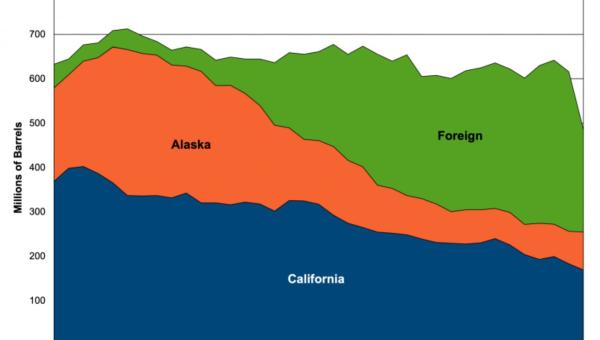
Limiting California’s access to the exact types of crude oil its facilities need will only increase prices for the state’s consumers and travelers. Drivers are already dealing with gasoline prices in excess of $5 per gallon and the highest fuel taxes of the 50 states. Confining energy producers and consumers to a smaller pool of crude oil will make a very sensitive price environment that much worse.
The unprecedented disaster wrought by Hurricane Harvey has the safety of friends, family, colleagues and communities along the Gulf Coast weighing heavy on our minds and hearts.
Hurricane Irma passed through Florida and into the Southeast over the weekend, and our thoughts and prayers are with the state and its residents as they begin to recover from this devastating storm.
Every day, AFPM members make products that improve our lives and contribute to human progress — including fuels like gasoline, diesel and jet fuel that facilitate access to vital health services, and petrochemicals used as building blocks to create healthcare equipment, devices and technologies.
Right now, members of Congress are debating a series of taxes as part of the multi-trillion-dollar reconciliation package that could make the crude oil that runs through U.S. refineries more expensive.