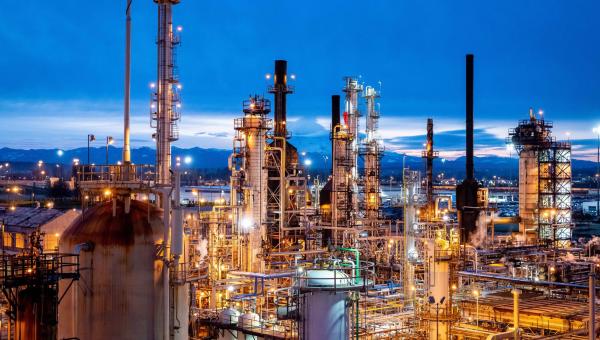
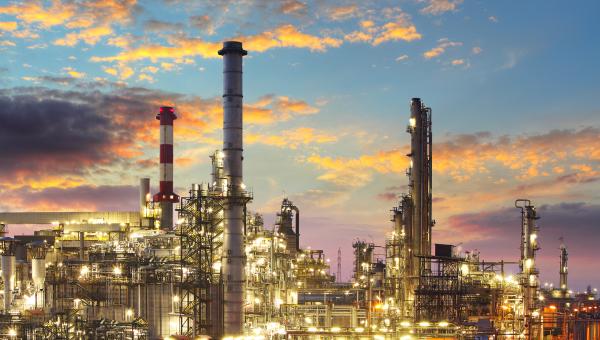
The United States has the most complex and efficient refining industry in the world, but we also have less refining capacity than we used to. Where the issue of refining capacity is concerned, it’s important to understand what refining capacity is, why we’ve lost capacity in the United States and how policies can advance the competitiveness of our refineries in the global market.
AFPM supports the continuous drive to make our U.S. transportation fleet more fuel efficient. In fact, we see the fuel refining and petrochemical industries as critical partners in this effort.
Some policymakers are rumored to be considering a ban on crude oil and/or U.S. refined product exports. This would be a mistake. Ending U.S. crude oil or refined product exports won’t help U.S. consumers by lowering prices at pump. In fact, it could make things even worse. Let’s take a closer look at how a refined product export ban would affect gasoline and diesel supplies and, thus, prices in the United States and around the world.
Refinery utilization, measures how much crude oil refineries are processing or “running” as a percentage of their maximum capacity. It tells us roughly how much of our refining muscle is being put to work manufacturing fuel. American refineries are running full-out, at about 95% of total capacity, contributing more fuel—gasoline, diesel, jet fuel, etc.—to the global market than any other country. In fact, U.S. refineries process more crude oil every day than the United States produces, and we make more finished fuels than the United States consumes.
The return of fuel demand to pre-pandemic levels and the slower rebound of crude oil and fuel production has created concerns about whether supplies of gasoline, diesel and jet fuel will be sufficient to meet global demand. U.S. refineries are up and running at near maximum utilization. Other major refining countries, for a variety of reasons, have not kept pace bringing their facilities back into operation or resuming sales of fuel to the market. As a result, wholesale fuel prices have increased and so have refinery “crack spreads."
The U.S. refining sector is the most competitive and resilient in the world. Participation in the global market benefits U.S. fuel consumers and fuel manufacturers. An export ban, aimed at U.S...
AFPM president and CEO Chet Thompson issued the following statement in response to a vote of the California Air Resources Board (CARB) approving California’s Advanced Clean Cars 2 regulation, establishing an escalating ban on the sale of gasoline and diesel-fueled cars and trucks, culminating with a 100% ban by 2035. "California’s radical ban on gasoline- and diesel-fueled cars and trucks will have devastating implications for consumers, energy security and the U.S. manufacturing economy. It is critical that President Biden and the EPA reject California’s request for a Clean Air Act waiver to proceed with this unlawful ban."
The California Air Resources Board (CARB) adopted its Advanced Clean Cars II (ACCII) regulation. ACCII requires 35% of light-duty vehicle sales to qualify as “zero emission” by 2026 and 100% by 2035. Essentially, this amounts to a ban on new sales of traditional gasoline and diesel-powered cars and trucks. To implement the policy, California will need a Clean Air Act waiver from the Environmental Protection Agency (EPA). If EPA grants the waiver, millions of Americans—including many outside of California—could lose the option to buy the car or truck THEY want.
All eyes are on Hurricane Ian, which is expected to approach Florida’s west coast later Wednesday and into Thursday bringing high winds and massive amounts of rain. Although our nation’s refiners and petrochemical manufacturers do not have facilities in the affected region, we’d like to urge the people in the area to prepare for the storm and heed all evacuation notices. Florida residents can get critical preparedness and evacuation information here.
The American Fuel & Petrochemical Manufacturers (AFPM) and American Petroleum Institute (API) today released the following statement after a meeting that included Secretary of Energy Jennifer Granholm, senior White House officials and leaders of the top U.S. refining companies