Some policymakers are rumored to be considering a ban on crude oil and/or U.S. refined product exports. This would be a mistake. Ending U.S. crude oil or refined product exports won’t help U.S. consumers by lowering prices at pump. In fact, it could make things even worse. Let’s take a closer look at how a refined product export ban would affect gasoline and diesel supplies and, thus, prices in the United States and around the world.
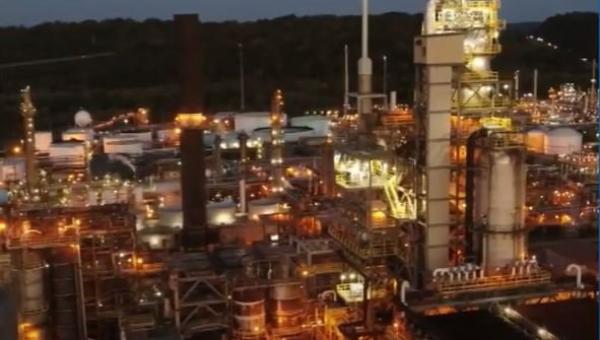
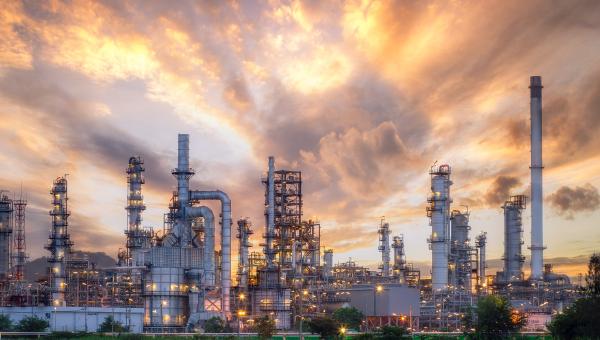
Refinery utilization, measures how much crude oil refineries are processing or “running” as a percentage of their maximum capacity. It tells us roughly how much of our refining muscle is being put to work manufacturing fuel. American refineries are running full-out, at about 95% of total capacity, contributing more fuel—gasoline, diesel, jet fuel, etc.—to the global market than any other country. In fact, U.S. refineries process more crude oil every day than the United States produces, and we make more finished fuels than the United States consumes.
A Strategic Petroleum Reserve (SPR) release—which basically involves making additional barrels of crude oil available for sale to the world market—is meant to increase global supply. Meeting today’s demand with more supply is a recipe for lower prices. The United States released millions of barrels from our SPR in the past several months, as did many other countries.
Oil markets are famously sensitive to uncertainty. Global conflict can send prices higher on concerns that crude oil supplies could be disrupted. This is playing out in response to Russia’s unprovoked acts of war against Ukraine. Russia is a major supplier of crude oil and other energy products globally, though less so in the United States. In recent days, many market participants have committed to stop purchasing Russian oil. Shipping companies are concerned about loading cargoes from Russia and some shippers are finding the cost associated with such cargoes too high. These moves are tightening an already tight market.
The American Fuel and Petrochemical Manufacturers (AFPM) President and CEO Chet Thompson and American Petroleum Institute (API) President and CEO Mike Sommers today sent a letter to U.S. Secretary of Energy Jennifer Granholm raising significant concerns that the administration could pursue a ban or limits on refined petroleum products. “Banning or limiting the export of refined products would likely decrease inventory levels, reduce domestic refining capacity, put upward pressure on consumer fuel prices, and alienate U.S. allies during a time of war,” Thompson and Sommers wrote.
SPR releases cannot be the center of this Administration’s strategy to confront inflation and high energy prices. At best, SPR releases are a short-term fix, they are not a solution. Stability and certainty is what global crude oil markets crave.
Publicly owned companies, like many U.S. refineries, have a fiduciary responsibility (which is a legal obligation) to act in the best interest of their shareholders, and that extends to how companies spend their earnings. Often, earnings are spent on a combination of the following: direct dividends, stock buy back programs, paying down debt and capital investment projects.
AFPM President and CEO Chet Thompson issued the following statement in response to President Biden’s State of the Union address: "Using the State of the Union to politicize market fundamentals and single out stock “buy back” programs—while overlooking the fact that the Biden administration’s own policies discourage the reinvestment of earnings back into the U.S. liquid fuel supply chain—cheapens the dialog for everyone."
AFPM President and CEO Chet Thompson issued the following statement in response to the White House’s latest announcement of a release of crude oil from the SPR: “The SPR was never meant to serve as a substitute for actual crude oil production. At best, SPR releases are a short-term fix, not a long-term solution or signal of stability to a market craving reassurance..."
AFPM President and CEO Chet Thompson issued the following statement regarding President Biden’s suggestion that a Windfall Profit Tax should be considered to address fuel supplies and prices: “Once again, the President is more worried about political posturing before the Midterms than he is about advancing energy policies that will actually deliver for the American people."