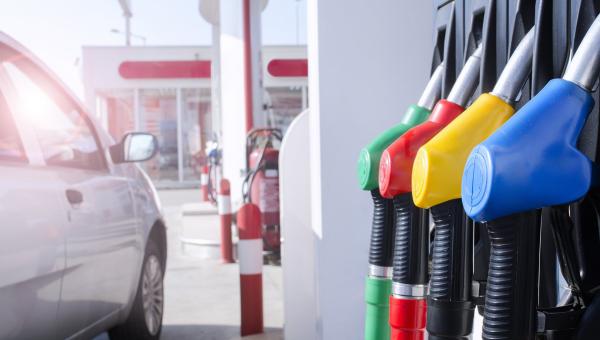
As we head into the Memorial Day weekend, a lot of attention is being paid to the price of gasoline. This is no surprise since over 36 million travelers are expected to hit the roads across the country this weekend - at a time when prices for the crude oil used to make fuels are climbing.
As Hurricane Florence approached the East Coast this week, nearly two million residents throughout the Carolinas, Maryland and Virginia were placed under evacuation watch.
AFPM has joined five other associations to call on the Governors of eight states to reject a recent plea from the Auto Alliance – the leading advocacy group for automakers – to increase subsidies and other incentives for electric vehicles (EVs) and zero-emission vehicles (ZEVs), further distorting a market that has failed to materialize despite already receiving generous handouts.
A nationwide 95 RON octane standard for vehicles can deliver major carbon reductions in the nation’s light-duty auto fleet faster and at a lower cost than any other proposal being considered by policymakers right now, especially policies seeking to force nationwide vehicle electrification.
The cost of Renewable Fuel Standard (RFS) compliance credits, specifically D6 renewable identification numbers (RINs), is out of control. Sales of D6 RINs for conventional ethanol recently registered above $1.90 (the highest trades in history).
Refineries are not the story when it comes to retail gasoline prices. Raw materials (in this case crude oil) account for the biggest share of the final price consumers pay.
Right now, members of Congress are debating a series of taxes as part of the multi-trillion-dollar reconciliation package that could make the crude oil that runs through U.S. refineries more expensive.
COVID-19 upended energy markets. Demand disappeared and producers scaled back. Now that economies are reopening, and the demand for goods and services is rebounding, the demand for energy all along the supply chain is increasing, driving up not only the cost of the feedstocks and fuels refineries and petrochemical manufacturers use, but also the cost of the energy used at every step of the supply chain.
WASHINGTON, D.C. – Chet Thompson, president and CEO of the American Fuel & Petrochemical Manufacturers (AFPM), today issued the following statement in response to comments by Vice President Joseph R. Biden Jr. in last night’s presidential debate