WASHINGTON, D.C. – The American Fuel & Petrochemical Manufacturers today issued the following statement regarding the Advanced Biofuels Association’s motion for an injunction against EPA, which seeks to prevent additional small refinery exemptions under the Renewable Fuel Standard.
As we head into the Memorial Day weekend, the unofficial start of the summer driving season, many begin to pay closer attention to gasoline prices. This should be no surprise since over 37 million...
WASHINGTON, D.C. – Today, Chet Thompson, President and CEO of the American Fuel & Petrochemical Manufacturers, made the following statement regarding the Administration’s announcement of tariffs on products made in Mexico.
Every day, U.S. consumers purchase more than 350 million gallons of gasoline to get to work and school, to go on vacation and to see family. But what goes into the price we pay for gasoline?
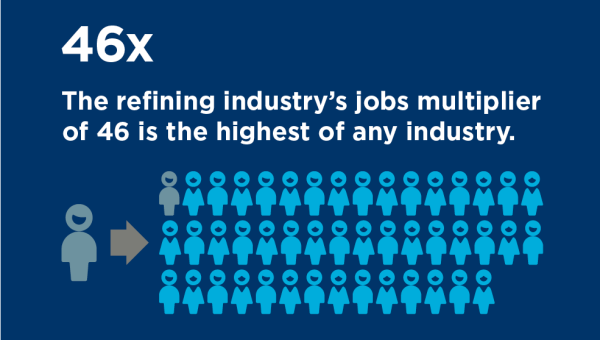
The U.S. refining industry has a widespread economic impact on our nation. It supports millions of American jobs and pumps billions of dollars into the economy, as documented by the new AFPM report Economic Contributions of U.S. Petroleum Refineries. Report highlights, based on the latest full year of data available through IMPLAN (2022), are featured in this blog.
WASHINGTON, D.C. — American Fuel & Petrochemical Manufacturers (AFPM) President and CEO Chet Thompson today issued the following statement on the United States Senate’s budget reconciliation bill.
What comes next for returning service members varies greatly. For McNeill and Harbin, both found rewarding work that instilled pride in them not too dissimilar from what they felt serving their country - in the fuel refining and petrochemical industries.
Over the past two decades, as the HollyFrontier Navajo Refinery has more than doubled its output, the surrounding community of Artesia, New Mexico has developed its local business district to support this unprecedented growth.
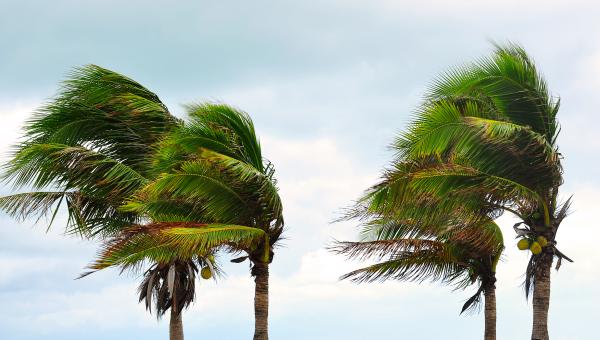
Hurricane Michael, currently graded as a Category 4 storm, made landfall on the Gulf Coast today, directly hitting the Florida Panhandle and potentially impacting more than 300 miles in the region.