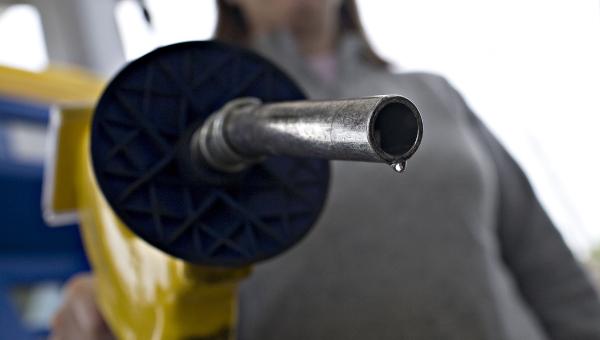
“Our country has seen time and again that major storms and often-correlated runs on gas stations can have a swift impact on prices. Already in Florida, some key areas are functioning with roughly 20 percent of retail stations either out of gas or out of power. That means there is less supply overall and some temporary inability to access supplies in certain Florida communities where there is, at present, heightened local demand. The market is resilient and will work to fix this imbalance swiftly, but a return to normalcy will likely not be immediate as the supply chain is complex and buyers will need to return to their normal purchasing habits."
The American Fuel and Petrochemical Manufacturers (AFPM) President and CEO Chet Thompson and American Petroleum Institute (API) President and CEO Mike Sommers today sent a letter to U.S. Secretary of Energy Jennifer Granholm raising significant concerns that the administration could pursue a ban or limits on refined petroleum products. “Banning or limiting the export of refined products would likely decrease inventory levels, reduce domestic refining capacity, put upward pressure on consumer fuel prices, and alienate U.S. allies during a time of war,” Thompson and Sommers wrote.
AFPM opposes the Inflation Reduction Act as written. We evaluated the bill against our core principles, specifically whether the legislation would support strong U.S. refining and petrochemical industries and whether it pursued emissions reductions in a market-based and cost-effective manner. Unfortunately, the IRA falls short of these goals.
SPR releases cannot be the center of this Administration’s strategy to confront inflation and high energy prices. At best, SPR releases are a short-term fix, they are not a solution. Stability and certainty is what global crude oil markets crave.
Publicly owned companies, like many U.S. refineries, have a fiduciary responsibility (which is a legal obligation) to act in the best interest of their shareholders, and that extends to how companies spend their earnings. Often, earnings are spent on a combination of the following: direct dividends, stock buy back programs, paying down debt and capital investment projects.
AFPM President and CEO Chet Thompson issued the following statement in response to President Biden’s State of the Union address: "Using the State of the Union to politicize market fundamentals and single out stock “buy back” programs—while overlooking the fact that the Biden administration’s own policies discourage the reinvestment of earnings back into the U.S. liquid fuel supply chain—cheapens the dialog for everyone."
AFPM issued the following statement on the passage of California legislation that will empower the state’s unelected bureaucracy to impose an effective windfall tax and massive regulatory burden on the state’s remaining refineries. "...Add this legislative cocktail to the list of self-inflicted policy wounds for a state already bleeding people."
AFPM President and CEO Chet Thompson issued the following statement in response to the White House’s latest announcement of a release of crude oil from the SPR: “The SPR was never meant to serve as a substitute for actual crude oil production. At best, SPR releases are a short-term fix, not a long-term solution or signal of stability to a market craving reassurance..."
Earnings in commodities-based industries tend to be cyclical. Because of the up-and-down reality of refining, it would be a mistake to regulate or legislate based on the high points. A few quarters of earnings don’t provide an accurate representation. That context is important for answering the question of what happens with refinery profits and whether using earnings to “buy back” stock from shareholders is an appropriate use of those funds.
Governor Gavin Newsom continues to blame fuel refiners for California’s highest-in-the-nation fuel prices. He couldn't be more wrong. The problem and solution to much of California’s fuel price challenge can be found in Sacramento policy. Take a look to better understand the role of policy in regional price differences, why it’s inaccurate to equate “margins” or “refinery cracks” with “profits,” and why windfall profit taxes are a known policy failure.