As more states limit the size of gatherings and even consider shelter-in-place policies in response to COVID-19, AFPM is working to see that refineries and petrochemical facilities.
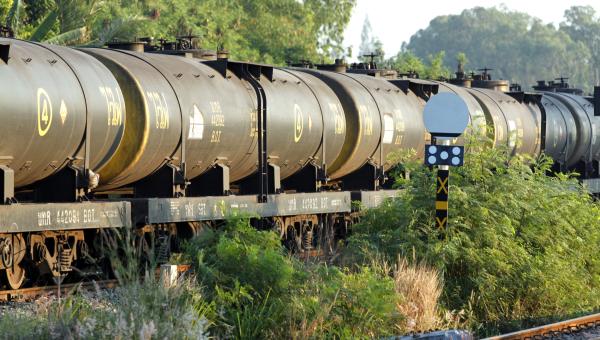
Last month Rob Benedict, senior director, petrochemicals, transportation and infrastructure at AFPM, spoke with Railway Age Editor-in-Chief William C. Vantuono regarding a host of current issues facing AFPM members and freight rail shippers across the United States.
The ultimate goal of safety policy is to reduce or even virtually eliminate risk, and policymakers and regulated industries continually face difficult decisions in working toward this objective.
WASHINGTON, D.C. – AFPM released this statement in response to the Council on Environmental Quality’s announcement of its final rule to update and modernize its National Environmental Policy Act (NEPA) regulations
WASHINGTON, D.C. – Today, the U.S. Department of Energy, Office of Fossil Energy and the U.S. Department of Transportation, Pipeline and Hazardous Materials Safety Administration formally submitted the Congressionally-mandated Sandia National Laboratories technical report on crude oil combustion properties to Congress.
An exhaustive study by top scientists at three government agencies in two countries (DOT, DOE, and Transport Canada) has found no evidence for restricting the vapor pressure of crude oil transported by rail.
The temporary enforcement policy announced by the Environmental Protection Agency (EPA) triggered criticism about some in the oil and gas industry getting a “license to pollute” during a public health emergency.
AFPM recently voiced its disappointment at the decision by the U.S. Supreme Court not to hear ExxonMobil’s challenge to the New Hampshire Supreme Court’s decision to uphold a $236 million judgment against the company’s use of Methyl Tertiary Butyl Ether (MTBE) in the state’s gasoline supply in the 1990s.
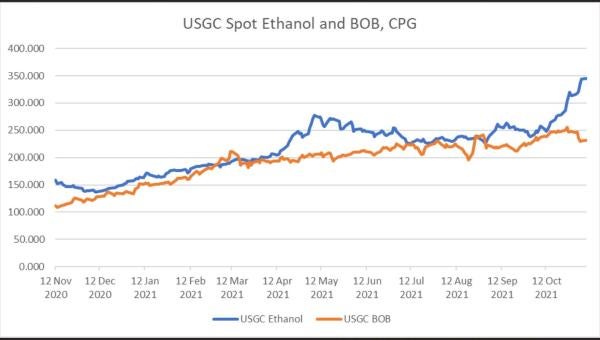
If the Biden Administration is serious about helping consumers, it needs to adopt policies that promote U.S. energy production and refining. A good place to start would be right-sizing RFS mandates.
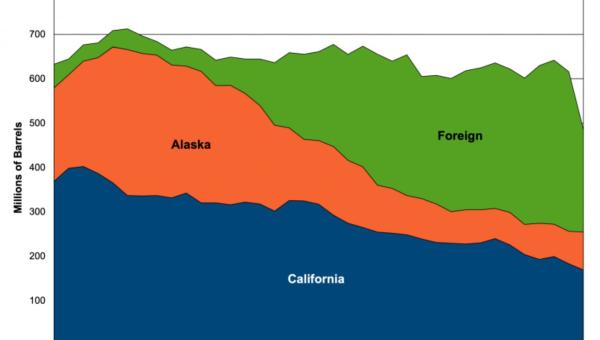
Limiting California’s access to the exact types of crude oil its facilities need will only increase prices for the state’s consumers and travelers. Drivers are already dealing with gasoline prices in excess of $5 per gallon and the highest fuel taxes of the 50 states. Confining energy producers and consumers to a smaller pool of crude oil will make a very sensitive price environment that much worse.