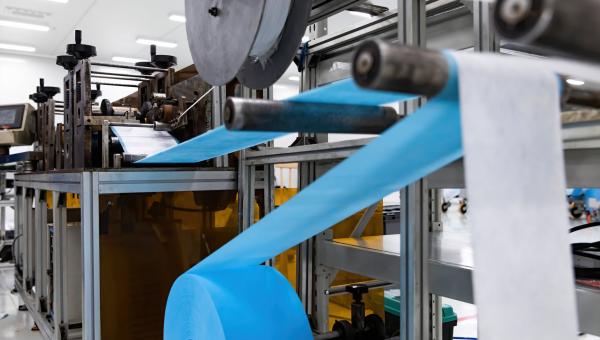
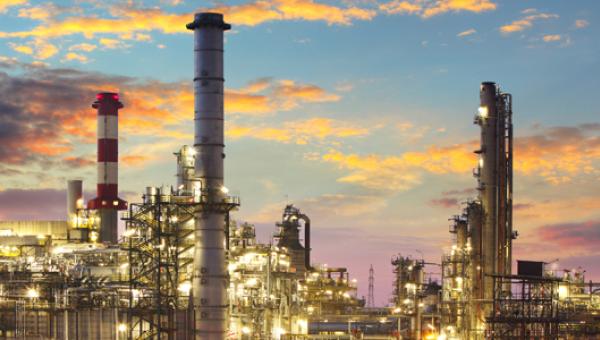
AFPM Senior Petrochemical Advisor Jim Cooper answered a few questions to help illuminate some of the ways that petrochemicals—and the industries that produce them—are working to protect people from the coronavirus.
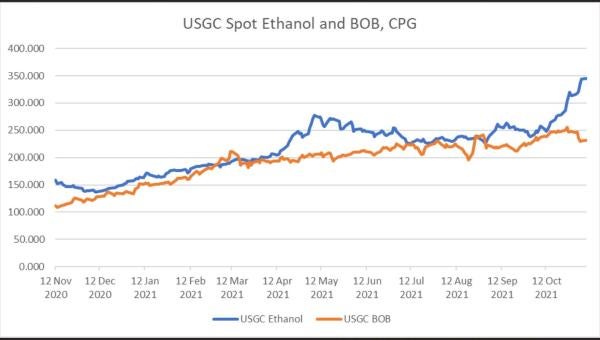
If the Biden Administration is serious about helping consumers, it needs to adopt policies that promote U.S. energy production and refining. A good place to start would be right-sizing RFS mandates.
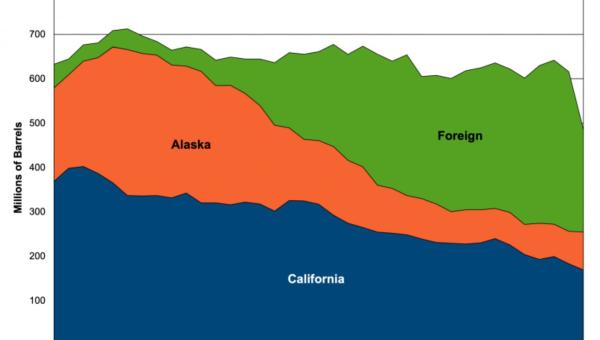
Limiting California’s access to the exact types of crude oil its facilities need will only increase prices for the state’s consumers and travelers. Drivers are already dealing with gasoline prices in excess of $5 per gallon and the highest fuel taxes of the 50 states. Confining energy producers and consumers to a smaller pool of crude oil will make a very sensitive price environment that much worse.
The unprecedented disaster wrought by Hurricane Harvey has the safety of friends, family, colleagues and communities along the Gulf Coast weighing heavy on our minds and hearts.
At only 21 years old, Matt was diagnosed with heart valve disease — a condition he was able to manage with the help of doctors and medicines for nearly a decade.
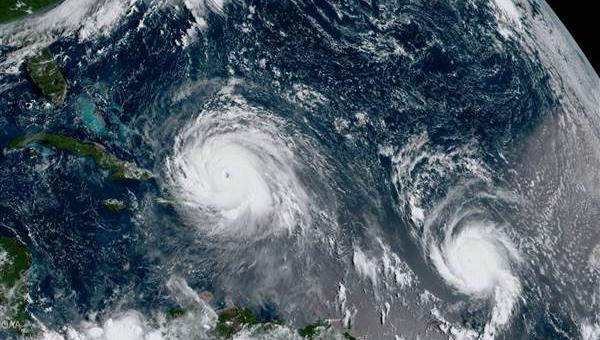
A duo of strong storms that swept through the United States has temporarily disrupted domestic fuel markets, but effective responses by the private and public sectors have limited the fallout from Hurricanes Harvey and Irma for Americans who need fuel critical for commerce.
The waiver to the Jones Act provided by the Department of Homeland Security is already proving helpful in the wake of Hurricanes Harvey and Irma, both of which affected important energy infrastructure...
Earlier this month, researchers at the University of Sydney and Harvard announced the development of a new surgical glue called “MeTro”, which promises to revolutionize the treatment of wounds both on...