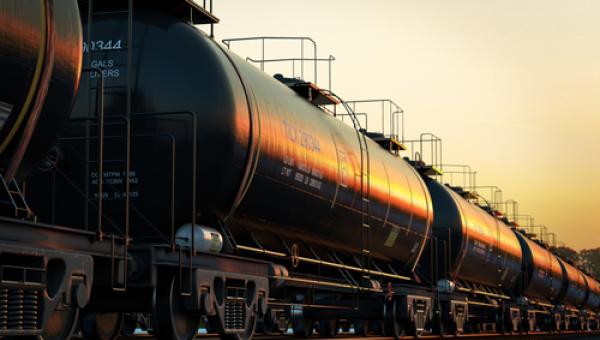
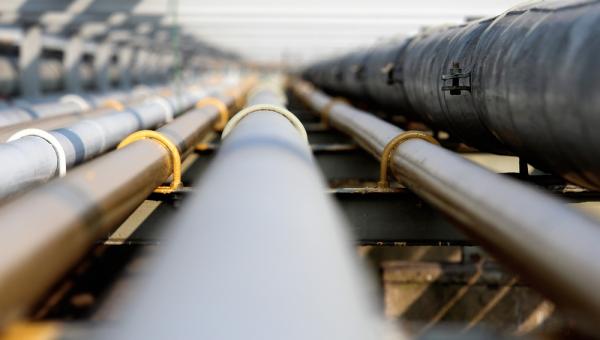
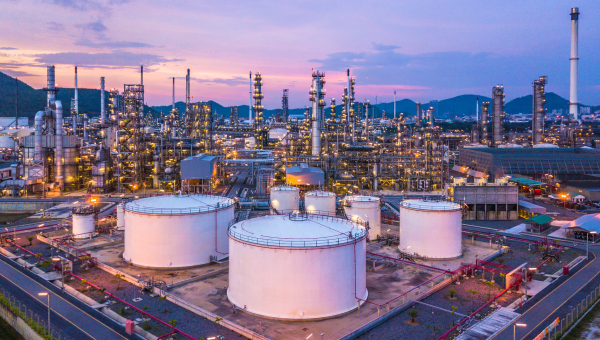
Alongside the publication of AFPM’s new study, “The Fuel & Petrochemical Supply Chains: Moving the Fuels & Products That Power Progress,” Flash Point interviewed leaders working on U.S. midstream infrastructure issues.
Nothing is more important than the health and safety of our people and our communities—the communities where our employees live, work and go to school.
WASHINGTON, D.C. – Congress yesterday passed the Protecting our Infrastructure of Pipelines and Enhancing Safety (PIPES) Act of 2020 through its passage of the December Omnibus spending bill.
WASHINGTON, D.C. – American Fuel & Petrochemical Manufacturers President and CEO Chet Thompson today released the following statement addressing President-elect Biden's intention to rescind the permit for the Keystone XL pipeline.
Refineries are not the story when it comes to retail gasoline prices. Raw materials (in this case crude oil) account for the biggest share of the final price consumers pay.
It’s no secret that infrastructure is the backbone of this nation, from roads to bridges to airports and more – America relies on its infrastructure to keep people and our economy moving.
COVID-19 upended energy markets. Demand disappeared and producers scaled back. Now that economies are reopening, and the demand for goods and services is rebounding, the demand for energy all along the supply chain is increasing, driving up not only the cost of the feedstocks and fuels refineries and petrochemical manufacturers use, but also the cost of the energy used at every step of the supply chain.