AFPM Senior Director of Fuels & Vehicle Policy Patrick Kelly today issued the following statement on EPA's announcement that it will grant requests from eight Midwestern states to remove the 1.0 psi RVP waiver from summertime gasoline effective next year. If implemented, these states will no longer be able to sell the current blend of summertime gasoline and a new grade of gasoline will need to be manufactured and supplied to the region.
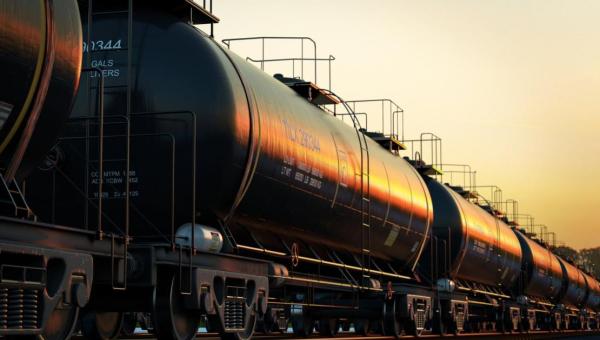
WASHINGTON, D.C. — American Fuel & Petrochemical Manufacturers (AFPM) today issued the following statement from Rob Benedict, AFPM Vice President of Petrochemicals & Midstream, commending the U.S. Surface Transportation Board (STB) on its unanimous decision to amend the emergency service regulations for freight rail. The final rule, finalized Wednesday, streamlines the process for rail shippers to request and receive emergency relief when faced with severe deteriorations in rail service.
Visit AFPM’s Hurricane and Weather Event Resource Center for more information on steps being taken to ensure the safety of our members’ facilities, their employees and the communities that surround them.
WASHINGTON, D.C. – The American Fuel & Petrochemical Manufacturers (AFPM) supports President Trump’s Executive Orders that will create clear pathways for the permitting process and support energy infrastructure development.
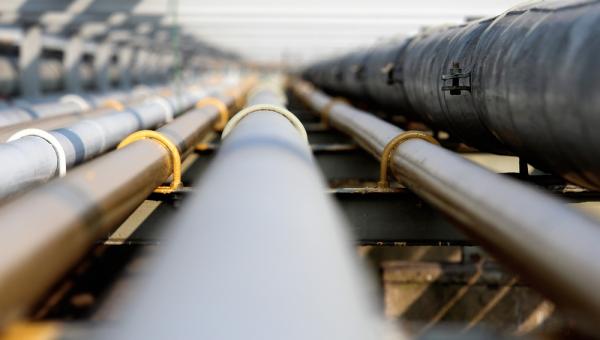
U.S. refiners and petrochemical manufacturers were encouraged on April 10 when President Trump signed an executive order that will better clarify the roles of federal and state agencies in permitting decisions for energy infrastructure, including oil and natural gas pipelines.
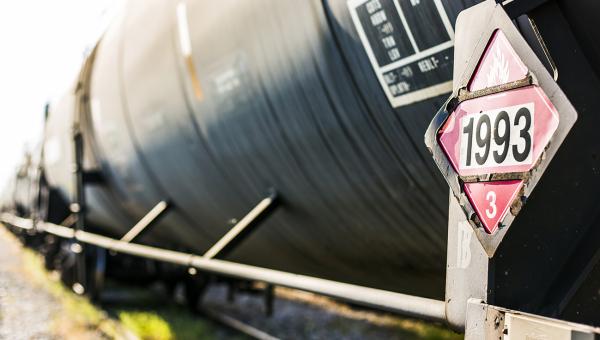
WASHINGTON, D.C. – Richard Moskowitz, General Counsel of American Fuel & Petrochemical Manufacturers, made the following statement on North Dakota and Montana’s petition for a preemption determination regarding Washington state’s new law on allowable vapor pressure limits for crude-by-rail transport.
WASHINGTON, D.C. — Today, Rob Benedict, AFPM Vice President of Petrochemicals and Midstream, issued the following statement welcoming the U.S. Surface Transportation Board’s (STB) long-awaited reciprocal switching final rulemaking.
The midstream segment moves and stores feedstocks and finished products — including fuels, natural gas, natural gas liquids and petrochemical products — using an integrated system of pipelines, ports and waterways, railroads, roadways and storage facilities.