It’s been two and a half years since Congress granted the Department of Homeland Security’s Chemical Facility Anti-Terrorism Standards (CFATS) program long-term authorization.
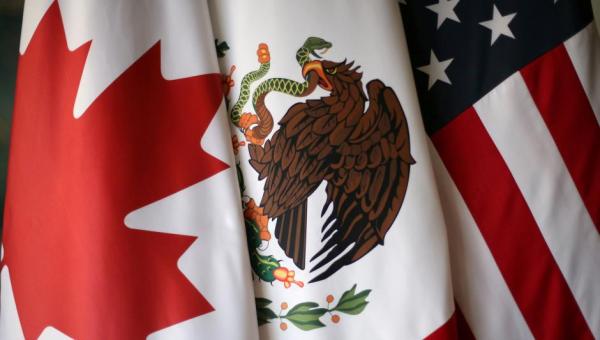
Negotiations to modernize the North American Free Trade Agreement (NAFTA) are a chance to boost the competitiveness of U.S. companies in Canada and Mexico and solidify the preeminent role U.S. refiners and petrochemicals producers play in enabling global transportation and manufacturing.
The Federal Aviation Administration (FAA) predicts there may be over five million total drones flying the national airspace by 2020. On one hand, this is great news: drones present significant...
*The op-ed below originally appeared in the Houston Chronicle on Monday, February 19, 2018 President Trump clinched a historic victory with tax reform. Now he needs to avoid making a historic mistake...
In the USA, Friday, May 25 will be the start of the Memorial Day weekend. Traffic, BBQ’s, opening of swimming pools, remembrances, and other events will highlight the weekend.
As we head into the Memorial Day weekend, a lot of attention is being paid to the price of gasoline. This is no surprise since over 36 million travelers are expected to hit the roads across the country this weekend - at a time when prices for the crude oil used to make fuels are climbing.
The renegotiation of the North American Free Trade Agreement (NAFTA) provides an important opportunity to preserve and strengthen NAFTA’s investor protections, specifically the investor-state dispute settlement (ISDS) mechanism.
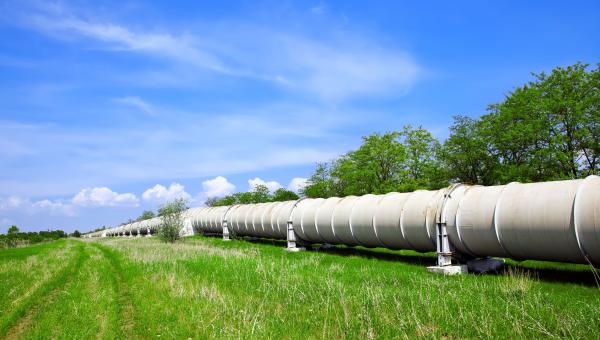
Alongside the publication of AFPM’s new study, “The Fuel & Petrochemical Supply Chains: Moving the Fuels & Products That Power Progress,” Flash Point interviewed leaders working on U.S. midstream infrastructure issues, including Sean Strawbridge, CEO of the Port of Corpus Christi.
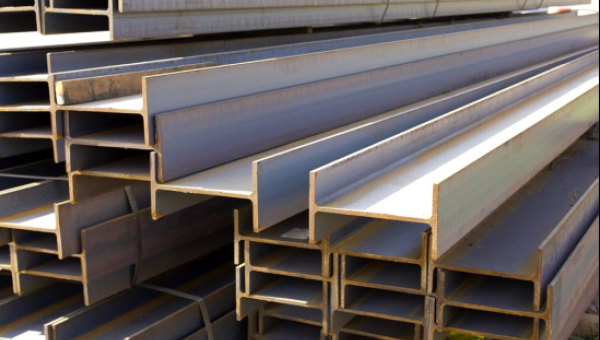
The American Fuel & Petrochemical Manufacturers (AFPM) has expressed concern about the impact that steel and aluminum tariffs would have on prices at the pump, infrastructure investment and jobs.