The biofuel industry, facing poor margins due to overproduction and declining exports, is trying various tactics to force more ethanol and biodiesel into the U.S. fuel supply.
The chief executives of Valero Energy Corporation, Marathon Petroleum Corporation and Flint Hills Resources sent a letter to President Trump yesterday urging him to avoid actions that would worsen the impacts of federal biofuel policies on U.S. refiners.
The American Fuel & Petrochemical Manufacturers (AFPM) and American Petroleum Institute (API) sent a new letter to President Trump urging him not to listen to “misinformation and misguided policies” from the ethanol lobby that will result in lost jobs in refining communities and higher gasoline prices for consumers.
A major labor union — the International Brotherhood of Boilermakers — is urging President Trump not to put union jobs at risk by increasing federal biofuel blending obligations for refiners.
In a new editorial, The Wall Street Journal sounds off on the recent politicking by the ethanol industry that stands to harm U.S. refiners — with no benefit to U.S. farmers.
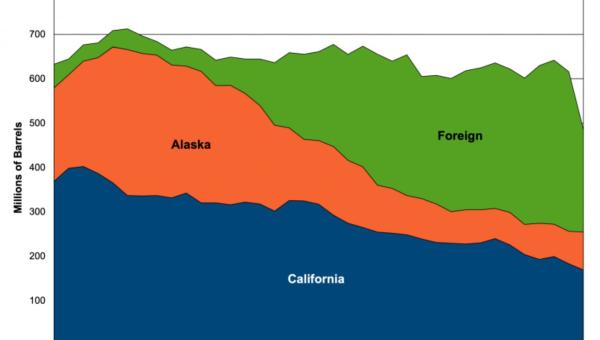
Limiting California’s access to the exact types of crude oil its facilities need will only increase prices for the state’s consumers and travelers. Drivers are already dealing with gasoline prices in excess of $5 per gallon and the highest fuel taxes of the 50 states. Confining energy producers and consumers to a smaller pool of crude oil will make a very sensitive price environment that much worse.
As the days grow longer and the mercury rises, boating season gets into full swing. For the next several months, sportsman, families, and boating enthusiasts alike will hit the water to cool off and enjoy all that boating has to offer.
A recent opinion piece in the Washington Examiner, A higher ethanol blend should be your choice, not the government’s was a fascinating display of hypocrisy.
The unprecedented disaster wrought by Hurricane Harvey has the safety of friends, family, colleagues and communities along the Gulf Coast weighing heavy on our minds and hearts.
Fuel supply restrictions resulting from hurricanes and other natural disasters, often lead to price increases as the market reacts to rebalance supply and demand. To protect consumers, many states have enacted price gouging laws that limit a merchant’s ability to raise prices during an emergency.