Plastic roads and buildings, the influence of energy and petrochemicals in geopolitics, and chemical and molecular recycling processes that could create a truly circular economy for plastic products were just a few of the topics discussed at AFPM’s 44th International Petrochemical Conference (IPC) in San Antonio last week.
U.S. refiners and petrochemical manufacturers were encouraged on April 10 when President Trump signed an executive order that will better clarify the roles of federal and state agencies in permitting decisions for energy infrastructure, including oil and natural gas pipelines.
WASHINGTON, D.C. – The American Fuel & Petrochemical Manufacturers today issued the following statement regarding the Advanced Biofuels Association’s motion for an injunction against EPA, which seeks to prevent additional small refinery exemptions under the Renewable Fuel Standard.
As we head into the Memorial Day weekend, the unofficial start of the summer driving season, many begin to pay closer attention to gasoline prices. This should be no surprise since over 37 million...
WASHINGTON, D.C. – Today, Chet Thompson, President and CEO of the American Fuel & Petrochemical Manufacturers, made the following statement regarding the Administration’s announcement of tariffs on products made in Mexico.
U.S. refining capacity increased to more than 18.8 million barrels per day as of January 1, 2019, the highest capacity on record, according to a new report issued by the Energy Information Administration.
Nine U.S. senators today called on the administration to uphold the law and ensure that qualified small refineries continue to have protection from disproportionate economic hardship brought on by the Renewable Fuel Standard (RFS).
Visit AFPM’s Hurricane and Weather Event Resource Center for more information on steps being taken to ensure the safety of our members’ facilities, their employees and the communities that surround them.
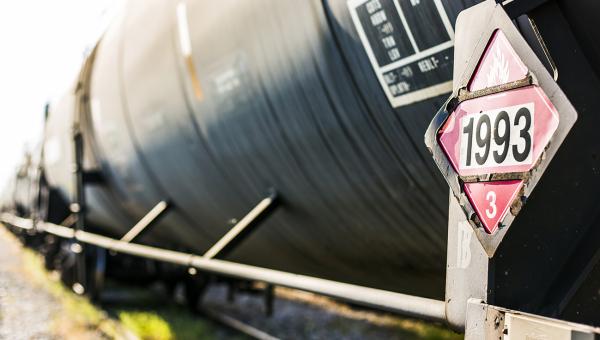
WASHINGTON, D.C. – Richard Moskowitz, General Counsel of American Fuel & Petrochemical Manufacturers, made the following statement on North Dakota and Montana’s petition for a preemption determination regarding Washington state’s new law on allowable vapor pressure limits for crude-by-rail transport.