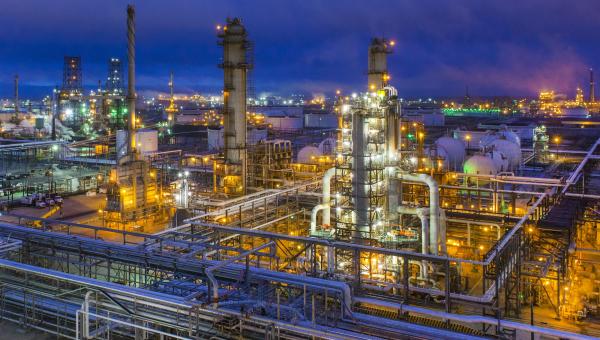
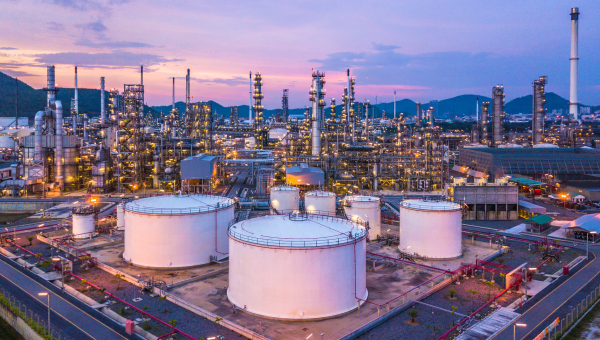
The United States is the now largest producer of crude oil and has the largest, most complex and most efficient refining industry in the world. Yet two of our most important oil trading partners are those that share our borders: Canada and Mexico.
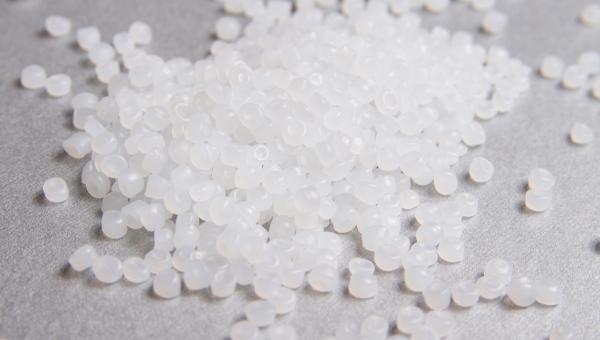
U.S. petrochemical manufacturers are at the forefront of research and development into cutting-edge solutions to give new life to used plastic products. Leveraging their in-depth understanding of plastics’ molecular composition and the manufacturing process itself, AFPM members are investing in recycling technology, infrastructure and partnerships that will reduce mismanaged plastic waste by applying unlocking its value as a feedstock.
Refineries are not the story when it comes to retail gasoline prices. Raw materials (in this case crude oil) account for the biggest share of the final price consumers pay.
Right now, members of Congress are debating a series of taxes as part of the multi-trillion-dollar reconciliation package that could make the crude oil that runs through U.S. refineries more expensive.
It’s no secret that infrastructure is the backbone of this nation, from roads to bridges to airports and more – America relies on its infrastructure to keep people and our economy moving.
COVID-19 upended energy markets. Demand disappeared and producers scaled back. Now that economies are reopening, and the demand for goods and services is rebounding, the demand for energy all along the supply chain is increasing, driving up not only the cost of the feedstocks and fuels refineries and petrochemical manufacturers use, but also the cost of the energy used at every step of the supply chain.
Three-quarters of the way through an unprecedented year marked by a pandemic, an economic downturn and market volatility — and with a historic election just days away — we sat down with AFPM Chief...
WASHINGTON, D.C. – Members in the House and Senate, led by Sen. John Cornyn and Rep. Vicente Gonzalez, sent a letter this week to President Trump urging him to address issues of unfair market access for U.S. energy companies doing business in Mexico. Chet Thompson, President and CEO of AFPM, echoed these calls with the following statement.
With recent plastic waste legislation from New York and New Jersey making headlines, we sat down with AFPM Senior Director of Petrochemicals, Transportation and Infrastructure Rob Benedict to discuss the petrochemical industry’s role in reducing plastic waste, new technological breakthroughs and how AFPM analyzes plastic waste policy proposals.