Boyd Stephenson, senior vice president of government affairs and counsel at the National Tank Truck Carriers (NTTC), joins the podcast to discuss the trucking industry and US highway infrastructure.
Publicly owned companies, like many U.S. refineries, have a fiduciary responsibility (which is a legal obligation) to act in the best interest of their shareholders, and that extends to how companies spend their earnings. Often, earnings are spent on a combination of the following: direct dividends, stock buy back programs, paying down debt and capital investment projects.
AFPM President and CEO Chet Thompson issued the following statement in response to President Biden’s State of the Union address: "Using the State of the Union to politicize market fundamentals and single out stock “buy back” programs—while overlooking the fact that the Biden administration’s own policies discourage the reinvestment of earnings back into the U.S. liquid fuel supply chain—cheapens the dialog for everyone."
AFPM issued the following statement on the passage of California legislation that will empower the state’s unelected bureaucracy to impose an effective windfall tax and massive regulatory burden on the state’s remaining refineries. "...Add this legislative cocktail to the list of self-inflicted policy wounds for a state already bleeding people."
AFPM President and CEO Chet Thompson issued the following statement in response to the White House’s latest announcement of a release of crude oil from the SPR: “The SPR was never meant to serve as a substitute for actual crude oil production. At best, SPR releases are a short-term fix, not a long-term solution or signal of stability to a market craving reassurance..."
Earnings in commodities-based industries tend to be cyclical. Because of the up-and-down reality of refining, it would be a mistake to regulate or legislate based on the high points. A few quarters of earnings don’t provide an accurate representation. That context is important for answering the question of what happens with refinery profits and whether using earnings to “buy back” stock from shareholders is an appropriate use of those funds.
Governor Gavin Newsom continues to blame fuel refiners for California’s highest-in-the-nation fuel prices. He couldn't be more wrong. The problem and solution to much of California’s fuel price challenge can be found in Sacramento policy. Take a look to better understand the role of policy in regional price differences, why it’s inaccurate to equate “margins” or “refinery cracks” with “profits,” and why windfall profit taxes are a known policy failure.
AFPM President and CEO Chet Thompson issued the following statement regarding President Biden’s suggestion that a Windfall Profit Tax should be considered to address fuel supplies and prices: “Once again, the President is more worried about political posturing before the Midterms than he is about advancing energy policies that will actually deliver for the American people."
Restricting exports would be a major unforced error for the President, tightening global fuel supplies, throttling U.S. fuel production and increasing costs for American consumers. Likewise, imposing product inventory requirements boils down to siphoning gasoline and diesel into storage, and away from consumers.
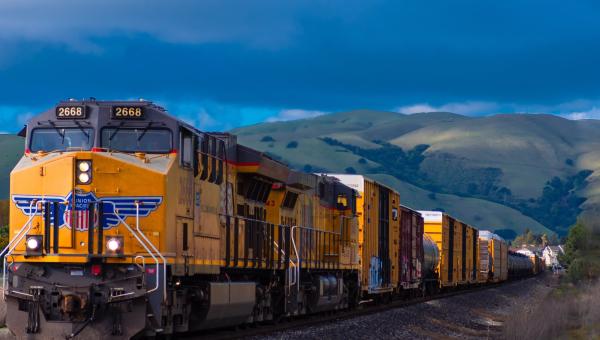
On Tuesday, November 29th AFPM President and CEO Chet Thompson sent a letter to Congressional leadership urging their immediate intervention to avoid a rail worker strike. Thompson stressed that time is of the essence since shipping embargos and service curtailments capable of disrupting U.S. manufacturing, fuel production and freight deliveries are starting now, well before a December 9 work stoppage. A copy of AFPM’s letter is available here and excerpts can be found below: