As 2017 gets started, the activist rhetoric for divestment will inevitably ramp up. So here are a few hard truths that divestment proponents ignore: 1. It’s bad business. Pension and university...
A nationwide 95 RON octane standard for vehicles can deliver major carbon reductions in the nation’s light-duty auto fleet faster and at a lower cost than any other proposal being considered by policymakers right now, especially policies seeking to force nationwide vehicle electrification.
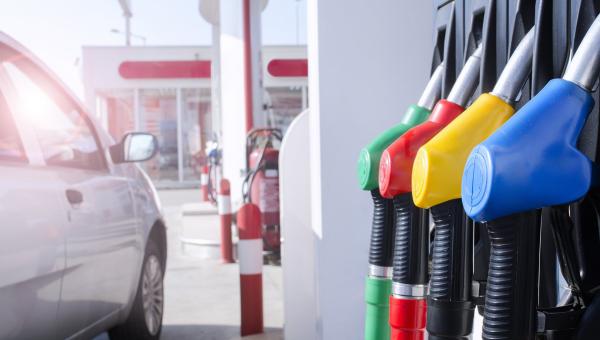
Refineries are not the story when it comes to retail gasoline prices. Raw materials (in this case crude oil) account for the biggest share of the final price consumers pay.
COVID-19 upended energy markets. Demand disappeared and producers scaled back. Now that economies are reopening, and the demand for goods and services is rebounding, the demand for energy all along the supply chain is increasing, driving up not only the cost of the feedstocks and fuels refineries and petrochemical manufacturers use, but also the cost of the energy used at every step of the supply chain.
WASHINGTON, D.C. – Chet Thompson, president and CEO of the American Fuel & Petrochemical Manufacturers (AFPM), today issued the following statement in response to comments by Vice President Joseph R. Biden Jr. in last night’s presidential debate
A recently released U.S. intelligence report on Russia’s efforts to influence the presidential election cited “clear evidence that the Kremlin is financing and choreographing anti-fracking propaganda...
WASHINGTON, D.C. – "Federal policy is discouraging supply by shutting down pipelines, putting future production off limits, talking down the future of the petroleum business, and imposing expensive requirements on refineries, chief among them a burdensome Renewable Fuel Standard. The Administration is blaming others when it ought to take a sober look at its own energy policy."
One key component called for in nearly every recipe for clean, low-sulfur gasoline is alkylate. Alkylate is high in octane, low in sulfur and has zero aromatics which all help to lower vehicle emissions and tailpipe pollution.
AFPM President and CEO Chet Thompson and API President and CEO Mike Sommers sent a letter to President Biden responding to recent letters the Administration sent to major U.S. fuel refiners suggesting that these companies, their workforces and facilities throughout the country aren’t doing their part to bring fuel to the market and lower energy costs for consumers.