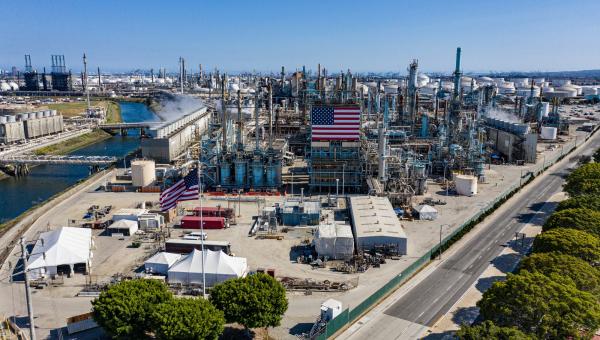
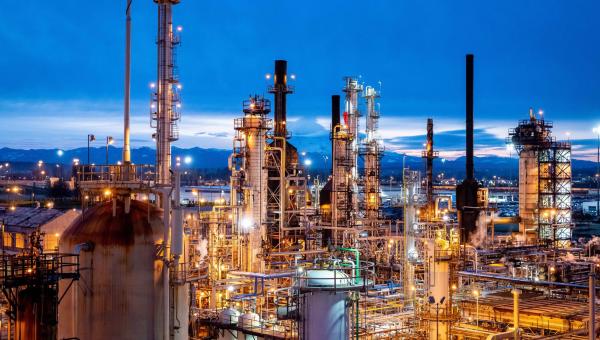
As Hurricane Lane, currently a Category 2 storm, makes its way towards Hawaii, our priority today is supporting Par Pacific Holdings, which is temporarily shutting down its 93,500 barrel per day refinery in Kapolei, on the island of Oahu, to ensure the safety of workers, and the community and environment surrounding the facility.
A nationwide 95 RON octane standard for vehicles can deliver major carbon reductions in the nation’s light-duty auto fleet faster and at a lower cost than any other proposal being considered by policymakers right now, especially policies seeking to force nationwide vehicle electrification.
COVID-19 upended energy markets. Demand disappeared and producers scaled back. Now that economies are reopening, and the demand for goods and services is rebounding, the demand for energy all along the supply chain is increasing, driving up not only the cost of the feedstocks and fuels refineries and petrochemical manufacturers use, but also the cost of the energy used at every step of the supply chain.
One key component called for in nearly every recipe for clean, low-sulfur gasoline is alkylate. Alkylate is high in octane, low in sulfur and has zero aromatics which all help to lower vehicle emissions and tailpipe pollution.
AFPM President and CEO Chet Thompson and API President and CEO Mike Sommers sent a letter to President Biden responding to recent letters the Administration sent to major U.S. fuel refiners suggesting that these companies, their workforces and facilities throughout the country aren’t doing their part to bring fuel to the market and lower energy costs for consumers.
We are surprised and disappointed by the President’s letter. Any suggestion that U.S. refiners are not doing our part to bring stability to the market is false. We would encourage the Administration to look inward to better understand the role their policies and hostile rhetoric have played in the current environment.
As we approach the 2022 hurricane season, experts are predicting yet another severe year, with some saying it will compare to last year. No one knows how accurate these predictions will be, but we can...
The United States has the most complex and efficient refining industry in the world, but we also have less refining capacity than we used to. Where the issue of refining capacity is concerned, it’s important to understand what refining capacity is, why we’ve lost capacity in the United States and how policies can advance the competitiveness of our refineries in the global market.
AFPM supports the continuous drive to make our U.S. transportation fleet more fuel efficient. In fact, we see the fuel refining and petrochemical industries as critical partners in this effort.
WASHINGTON, Sept. 28, 2023—American Fuel & Petrochemical Manufacturers (AFPM) Senior Director of Fuels & Vehicle Policy Patrick Kelly today testified before the National Highway Traffic Safety Administration against its proposal on two vehicle groups that serves as a de facto ban on internal combustion engine vehicles.