The petrochemical sector is leading the resurgence of American manufacturing – 256 new projects and expansions have been announced, creating 465,000 direct and indirect jobs by 2023 due to the shale...
The beginning of fall once again marks the start of another school year filled with endless possibilities for wide-eyed students eager to learn. For AFPM, the beginning of the school year is yet...
America’s abundance of oil and natural gas is providing a variety of high-tech, well-paying careers. More than 30 refinery expansions worth $14 billion are currently under development across the...
Employee health and safety is top priority for the fuel and petrochemical industries, and the COVID outbreak has necessitated a number of changes to business operations.
We took a moment to speak with Adam Ali, AFPM’s Manager of Workforce Development, about changes in the workplace employees are experiencing – including what happens when someone tests positive for COVID-19 — and actions being taken to protect and support the workforce.
Decarbonizing heavy trucks and airplanes, which will continue to rely on liquid fuels for the foreseeable future, once seemed a distant dream. That is changing thanks to innovation and investment from America’s fuel refiners, which are manufacturing renewable diesel and sustainable aviation fuels that cut carbon emissions by as much as 80 percent.
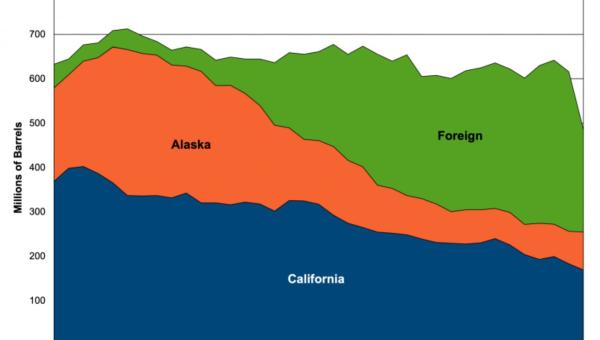
Limiting California’s access to the exact types of crude oil its facilities need will only increase prices for the state’s consumers and travelers. Drivers are already dealing with gasoline prices in excess of $5 per gallon and the highest fuel taxes of the 50 states. Confining energy producers and consumers to a smaller pool of crude oil will make a very sensitive price environment that much worse.
As the days grow longer and the mercury rises, boating season gets into full swing. For the next several months, sportsman, families, and boating enthusiasts alike will hit the water to cool off and enjoy all that boating has to offer.