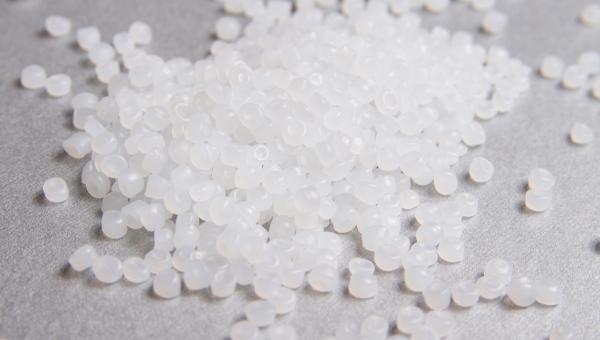
U.S. petrochemical manufacturers are at the forefront of research and development into cutting-edge solutions to give new life to used plastic products. Leveraging their in-depth understanding of plastics’ molecular composition and the manufacturing process itself, AFPM members are investing in recycling technology, infrastructure and partnerships that will reduce mismanaged plastic waste by applying unlocking its value as a feedstock.
The Renewable Fuel Standard is more expensive in 2021 than at any other point in the program’s 15-year history. Soaring RFS prices signal that the RIN bank could run dry.
With recent plastic waste legislation from New York and New Jersey making headlines, we sat down with AFPM Senior Director of Petrochemicals, Transportation and Infrastructure Rob Benedict to discuss the petrochemical industry’s role in reducing plastic waste, new technological breakthroughs and how AFPM analyzes plastic waste policy proposals.
WASHINGTON, D.C. – Today, AFPM issued the following statement in response to an announcement from the Environmental Protection Agency (EPA) that it supports the January 2020 ruling from the 10 th Circuit Court of Appeals.
AFPM recently submitted comments to EPA in support of the Renewable Fuel Standard (RFS) general waiver petitions submitted by the governors of Louisiana, Texas, Oklahoma, Utah, Wyoming, and Pennsylvania.
WASHINGTON, D.C. – AFPM president & CEO Chet Thompson, on behalf of United States refineries, today sent an appeal to new EPA Administrator Michael Regan urging him to take swift action on the Renewable Fuel Standard (RFS) by extending compliance deadlines and setting achievable targets for the current and coming years.
WASHINGTON, D.C. – "Federal policy is discouraging supply by shutting down pipelines, putting future production off limits, talking down the future of the petroleum business, and imposing expensive requirements on refineries, chief among them a burdensome Renewable Fuel Standard. The Administration is blaming others when it ought to take a sober look at its own energy policy."
Polyester soccer jerseys, polyethylene swim lane dividers, carbon track shoe insoles, and the jet fuel that moves athletes all over the world. These are just a few examples of the and fuels and petrochemical-based materials that play an irreplaceable role in summer sports.