Ethylene, a key building block in plastic and vital to our country’s manufacturing industry, has been thrust into the spotlight due to Hurricane Harvey’s impact on its production process.
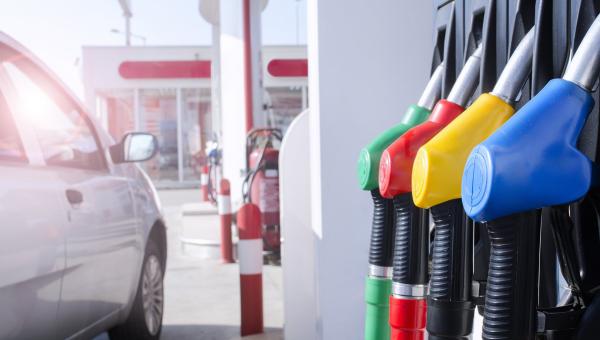
As we head into the Memorial Day weekend, a lot of attention is being paid to the price of gasoline. This is no surprise since over 36 million travelers are expected to hit the roads across the country this weekend - at a time when prices for the crude oil used to make fuels are climbing.
Every day, AFPM members make products that improve our lives and contribute to human progress — including fuels like gasoline, diesel and jet fuel that facilitate access to vital health services, and petrochemicals used as building blocks to create healthcare equipment, devices and technologies.
AFPM has joined five other associations to call on the Governors of eight states to reject a recent plea from the Auto Alliance – the leading advocacy group for automakers – to increase subsidies and other incentives for electric vehicles (EVs) and zero-emission vehicles (ZEVs), further distorting a market that has failed to materialize despite already receiving generous handouts.
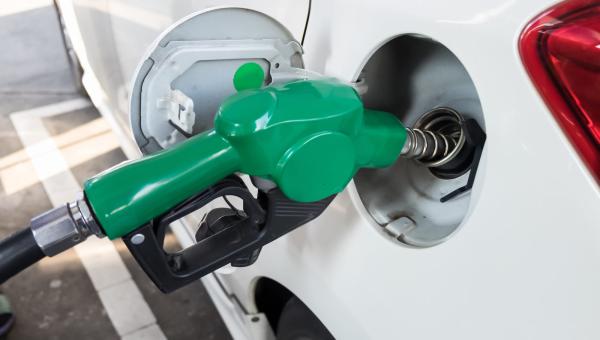
Current fuel at the pump contains 10 percent ethanol because Congress passed a law mandating ethanol use. Some are pushing for a higher proportion of 85 percent, known as E85.
A nationwide 95 RON octane standard for vehicles can deliver major carbon reductions in the nation’s light-duty auto fleet faster and at a lower cost than any other proposal being considered by policymakers right now, especially policies seeking to force nationwide vehicle electrification.
The cost of Renewable Fuel Standard (RFS) compliance credits, specifically D6 renewable identification numbers (RINs), is out of control. Sales of D6 RINs for conventional ethanol recently registered above $1.90 (the highest trades in history).