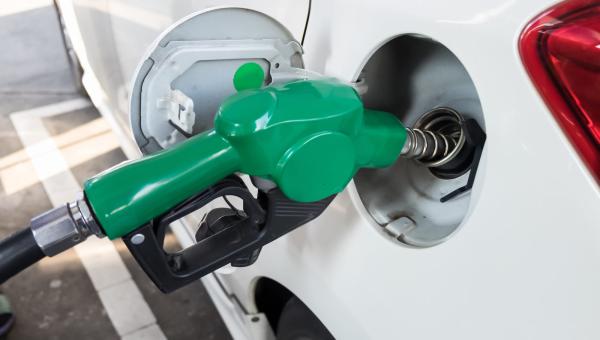
Current fuel at the pump contains 10 percent ethanol because Congress passed a law mandating ethanol use. Some are pushing for a higher proportion of 85 percent, known as E85.
A 15-year rise in U.S. exports of refined products continued in 2019 with our nation exporting more than ever, underscoring the importance of these products to fueling a growing world.
As 2017 gets started, the activist rhetoric for divestment will inevitably ramp up. So here are a few hard truths that divestment proponents ignore: 1. It’s bad business. Pension and university...
The United States is the now largest producer of crude oil and has the largest, most complex and most efficient refining industry in the world. Yet two of our most important oil trading partners are those that share our borders: Canada and Mexico.
A nationwide 95 RON octane standard for vehicles can deliver major carbon reductions in the nation’s light-duty auto fleet faster and at a lower cost than any other proposal being considered by policymakers right now, especially policies seeking to force nationwide vehicle electrification.
The cost of Renewable Fuel Standard (RFS) compliance credits, specifically D6 renewable identification numbers (RINs), is out of control. Sales of D6 RINs for conventional ethanol recently registered above $1.90 (the highest trades in history).
The Renewable Fuel Standard is more expensive in 2021 than at any other point in the program’s 15-year history. Soaring RFS prices signal that the RIN bank could run dry.
Refineries are not the story when it comes to retail gasoline prices. Raw materials (in this case crude oil) account for the biggest share of the final price consumers pay.
Right now, members of Congress are debating a series of taxes as part of the multi-trillion-dollar reconciliation package that could make the crude oil that runs through U.S. refineries more expensive.