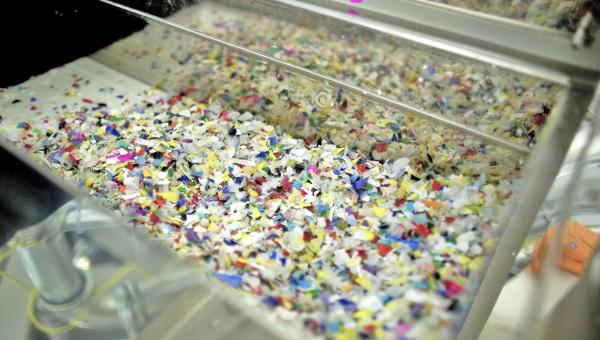
An engineer scoops a handful of tiny pellets out of a stainless-steel canister at a manufacturing plant in the Netherlands and rolls them around in his hand.
From the wings and fuselage to the seats and overhead bins, petrochemicals have been increasingly relied upon to make passenger aircraft lighter and stronger, cutting fuel use and costs and making air travel more sustainable at a time when more people are flying than ever before.
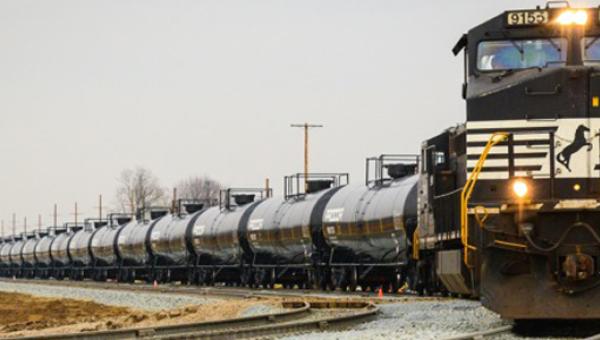
This week, the National Transportation Safety Board released its findings into the oil train derailment and fire that caused $1.2 million in damage in Lynchburg, Virginia almost two years ago on April 30, 2014 - and concluded that a broken rail was the probable cause of the accident.
As with many other challenges brought by COVID-19, fuel and petrochemical manufacturers are stepping in to help support schools and students during this difficult time.
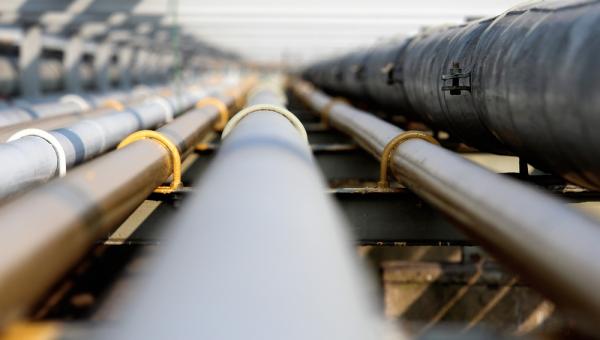
Increasing public interest in pipelines in recent months prompted us to speak with AFPM Senior Director of Petrochemicals, Transportation, and Infrastructure Rob Benedict to gain some insight into the hidden role of pipelines in our everyday lives.
Building on decades of broader efforts alongside automakers to advance fuel-efficient technologies and vehicles, refiners are leading the effort to transition the U.S. to high-octane gasoline.
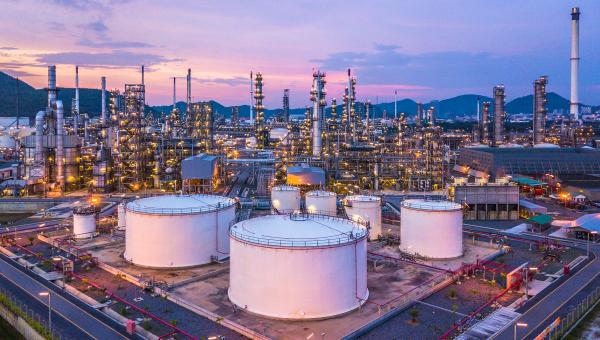
As more states limit the size of gatherings and even consider shelter-in-place policies in response to COVID-19, AFPM is working to see that refineries and petrochemical facilities.