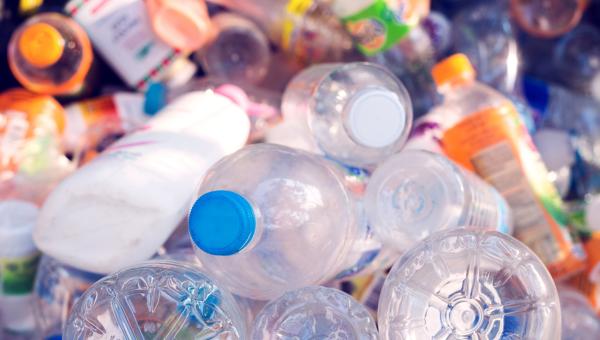
WASHINGTON, D.C. - This is a poorly devised bill that runs contrary to its purported purpose of improving the global environment. Banning the export of U.S. manufactured petrochemicals and polymers is shortsighted and will negatively impact global supply chains for essential materials and products.
The House of Representatives will soon vote on three pieces of legislation to rein in the federal Environmental Protection Agency (EPA) from (1) imposing and enabling de facto bans on new cars and trucks that run on liquid fuels and (2) from radically transforming the Renewable Fuel Standard (RFS) into a new nine-figure-government subsidy program for electric vehicles (EVs).
In 2015, after years of building a collection of over 600 pipeline real-world “test specimens” to be used for advanced pipeline safety research, the Pipeline Research Council International (PRCI) opened the Technology Development Center (TDC) in Houston, Texas.
One key component called for in nearly every recipe for clean, low-sulfur gasoline is alkylate. Alkylate is high in octane, low in sulfur and has zero aromatics which all help to lower vehicle emissions and tailpipe pollution.
“Just as we were proud to testify in support of these bills last month, AFPM is proud to support the legislation being marked up today...As members review these bills carefully, appreciating exactly what they do and do not do, the choice to support them should be obvious, especially for those with fuel and petrochemical manufacturing facilities in their districts.” – Chet Thompson, AFPM President & CEO
WASHINGTON, D.C. — American Fuel & Petrochemical Manufacturers (AFPM) President and CEO Chet Thompson issued the following statement on the Trump administration’s proposed revised 2027-2031 Corporate Average Fuel Economy (CAFE) Standards.
Chet Thompson, President and CEO of the American Fuel & Petrochemical Manufacturers (AFPM), issued the following statement on the Environmental Protection Agency’s proposed rule regarding modifying the interpretation of Clean Air Act Section 211(h)(4) to extend the E10 volatility waiver to E15, on which AFPM today submitted comments.
AFPM supports the continuous drive to make our U.S. transportation fleet more fuel efficient. In fact, we see the fuel refining and petrochemical industries as critical partners in this effort.
Not only do the fuel and petrochemical industries make it possible, they’re also responsible for preserving and maintaining some of the best-known landmarks all over the world. Read on to join us for a ‘round the globe trip to some of the world’s most famous petrochemicals!