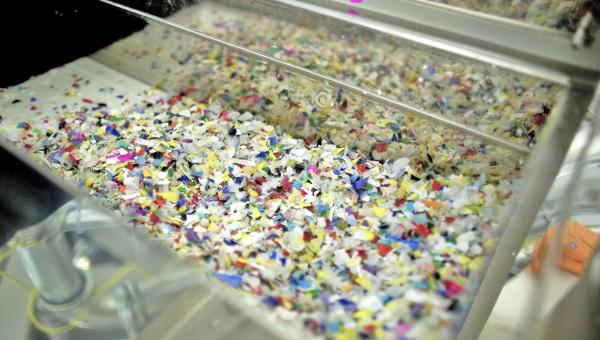
An engineer scoops a handful of tiny pellets out of a stainless-steel canister at a manufacturing plant in the Netherlands and rolls them around in his hand.
Many waste items provide important value before being tossed into a bin. Discarded plastic products, for example, originally serve as packaging to keep school lunches fresh, lightweight bottles for efficiently transporting fresh water to hard-to-reach areas, containers for soaps and detergents that facilitate hygiene – and much more.
A news item came to light this week, but seemed to be noticed mainly by those in cybersecurity. The IT system of the Hollywood Presbyterian Medical Center in California was being held for ransom, and...
Navigating our current health crisis offers frequent reminders of the critical role petrochemicals, particularly plastics, play in daily life — whether in the masks and gloves that protect our frontline health care providers, the containers that hold our takeout food, or the wrapping that keeps our groceries fresh and clean.
“Information security is the immune system in the body of business.” This cybersecurity saying has gained new weight in 2020, with the COVID-19 pandemic reinforcing the need for cybersecurity to be robust, flexible and agile—just like a healthy immune system.
AFPM Senior Petrochemical Advisor Jim Cooper talks about the central role of petrochemicals in health care, and why the petrochemical industry is considered critical infrastructure.