Hurricane Ida knocked out power to over one million people and created devastation that will take months to address. But as soon as the storm passed, the fuel and petrochemical industries began stepping up with financial assistance, in-kind donations and in-person support to help affected communities recover and rebuild.
This week, AFPM joined API and industry associations representing fuel retailers, gasoline marketers, convenience stores and tank truck carriers to field questions from the media about the ongoing fuel distribution challenges resulting from the Colonial Pipeline shutdown.
As we approach the 2022 hurricane season, experts are predicting yet another severe year, with some saying it will compare to last year. No one knows how accurate these predictions will be, but we can...
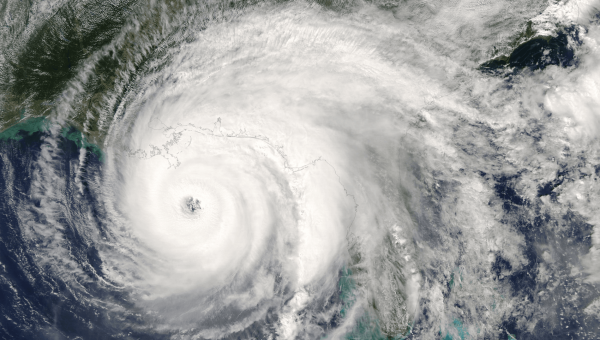
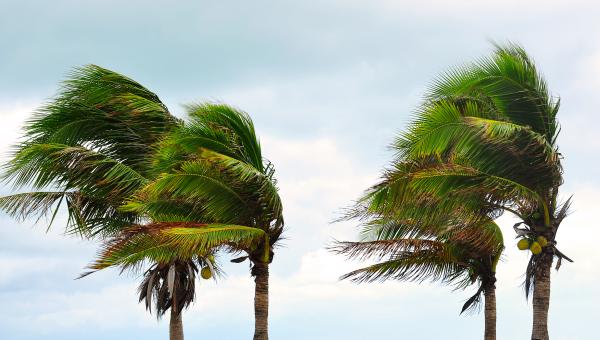
All eyes are on Hurricane Ian, which is expected to approach Florida’s west coast later Wednesday and into Thursday bringing high winds and massive amounts of rain. Although our nation’s refiners and petrochemical manufacturers do not have facilities in the affected region, we’d like to urge the people in the area to prepare for the storm and heed all evacuation notices. Florida residents can get critical preparedness and evacuation information here.
“Our country has seen time and again that major storms and often-correlated runs on gas stations can have a swift impact on prices. Already in Florida, some key areas are functioning with roughly 20 percent of retail stations either out of gas or out of power. That means there is less supply overall and some temporary inability to access supplies in certain Florida communities where there is, at present, heightened local demand. The market is resilient and will work to fix this imbalance swiftly, but a return to normalcy will likely not be immediate as the supply chain is complex and buyers will need to return to their normal purchasing habits."
In late July, Congress allowed a valuable program that enhances security at chemical facilities across the country to expire. The program is called the Chemical Facility Anti-Terrorism Standards (CFATS), and its primary mission is to protect chemical facilities from potential terror threats by addressing a wide range of possible vulnerabilities, including cyberattacks.
Experts are predicting this year’s season to be similar to last or even a little less severe, with Colorado State University Tropical Forecast calling for 13 named storms, six hurricanes and two category 3 or higher hurricanes. And as they do every year, refining and petrochemical companies are doing their part to ensure they are prepared for every possible scenario and batting down the hatches, if you will.
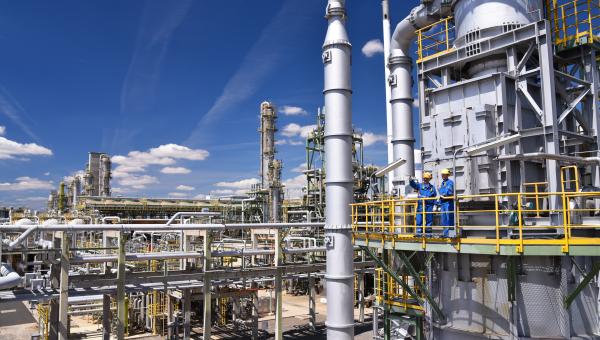
Visit AFPM’s Hurricane and Weather Event Resource Center for more information on steps being taken to ensure the safety of our members’ facilities, their employees and the communities that surround them.
Though it is largely unseen, cybersecurity permeates most, if not all, aspects of fuel and petrochemical manufacturing, ensuring our industries can function efficiently and without disruption.