In today’s world of cyber attacks against companies, the idea of sharing information between companies on cyber developments and incidents is becoming more critical.
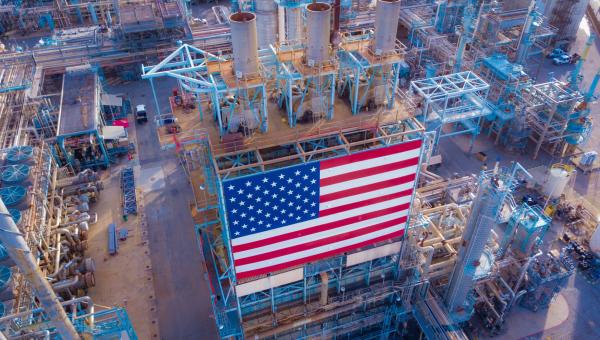
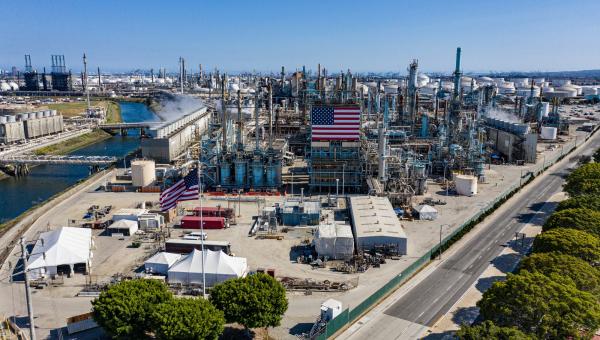
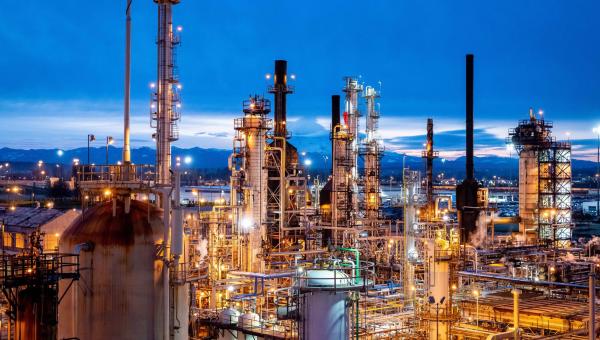
U.S. refineries are the most complex in the world, allowing them to extract more value out of each barrel of oil than any other refining system globally. This competitive edge is made possible by access to global markets.
The United States is the now largest producer of crude oil and has the largest, most complex and most efficient refining industry in the world. Yet two of our most important oil trading partners are those that share our borders: Canada and Mexico.
As I write this in the early afternoon of Monday, May 15, I just finished reading the latest bulletin from DHS on WannaCry, the ransomware virus that has become a lead news story since the weekend.
WASHINGTON, D.C. – Members in the House and Senate, led by Sen. John Cornyn and Rep. Vicente Gonzalez, sent a letter this week to President Trump urging him to address issues of unfair market access for U.S. energy companies doing business in Mexico. Chet Thompson, President and CEO of AFPM, echoed these calls with the following statement.
This week, AFPM joined API and industry associations representing fuel retailers, gasoline marketers, convenience stores and tank truck carriers to field questions from the media about the ongoing fuel distribution challenges resulting from the Colonial Pipeline shutdown.
AFPM President and CEO Chet Thompson and API President and CEO Mike Sommers sent a letter to President Biden responding to recent letters the Administration sent to major U.S. fuel refiners suggesting that these companies, their workforces and facilities throughout the country aren’t doing their part to bring fuel to the market and lower energy costs for consumers.
We are surprised and disappointed by the President’s letter. Any suggestion that U.S. refiners are not doing our part to bring stability to the market is false. We would encourage the Administration to look inward to better understand the role their policies and hostile rhetoric have played in the current environment.
The United States has the most complex and efficient refining industry in the world, but we also have less refining capacity than we used to. Where the issue of refining capacity is concerned, it’s important to understand what refining capacity is, why we’ve lost capacity in the United States and how policies can advance the competitiveness of our refineries in the global market.