As I write this in the early afternoon of Monday, May 15, I just finished reading the latest bulletin from DHS on WannaCry, the ransomware virus that has become a lead news story since the weekend.
This week, AFPM joined API and industry associations representing fuel retailers, gasoline marketers, convenience stores and tank truck carriers to field questions from the media about the ongoing fuel distribution challenges resulting from the Colonial Pipeline shutdown.
In late July, Congress allowed a valuable program that enhances security at chemical facilities across the country to expire. The program is called the Chemical Facility Anti-Terrorism Standards (CFATS), and its primary mission is to protect chemical facilities from potential terror threats by addressing a wide range of possible vulnerabilities, including cyberattacks.
Governor Gavin Newsom continues to blame fuel refiners for California’s highest-in-the-nation fuel prices. He couldn't be more wrong. The problem and solution to much of California’s fuel price challenge can be found in Sacramento policy. Take a look to better understand the role of policy in regional price differences, why it’s inaccurate to equate “margins” or “refinery cracks” with “profits,” and why windfall profit taxes are a known policy failure.
WASHINGTON, D.C. – “The President’s proposal to waive the rules for E15 is unlawful and could actually make the problems of the Renewable Fuel Standard worse.
Though it is largely unseen, cybersecurity permeates most, if not all, aspects of fuel and petrochemical manufacturing, ensuring our industries can function efficiently and without disruption.
Chet Thompson, President and CEO of the American Fuel & Petrochemical Manufacturers, today issued the below statement on the association’s ongoing work.
WASHINGTON, D.C. — American Fuel & Petrochemical Manufacturers (AFPM) President and CEO Chet Thompson issued the following statement on today’s vote by the California Air Resources Board (CARB) amending the state’s Low Carbon Fuel Standard (LCFS).
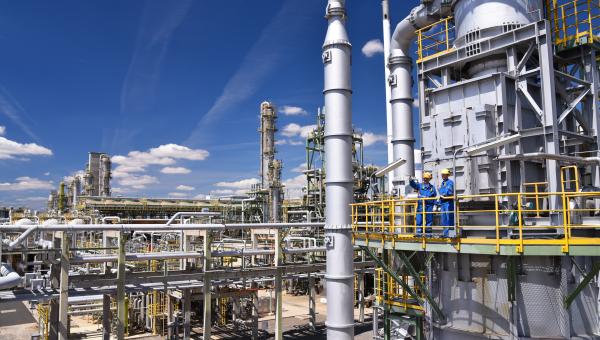
There aren’t many production facilities in the country more secure than refineries. Leaders in the fuel and petrochemical industries pride themselves on workplace safety and security, which is evident based on even a cursory glance at any AFPM member’s annual security report.