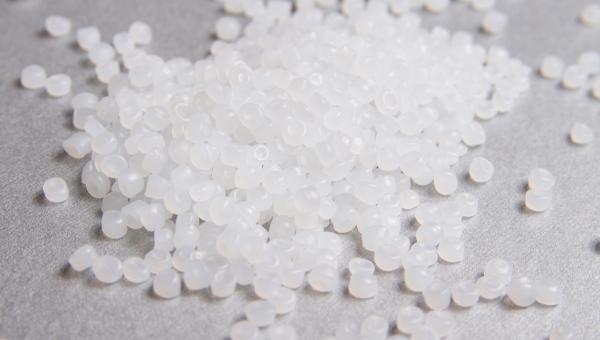
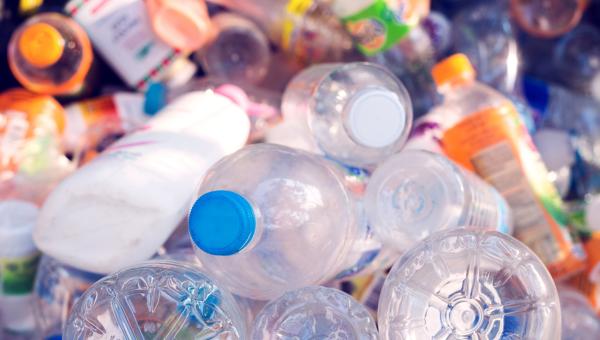
With recent plastic waste legislation from New York and New Jersey making headlines, we sat down with AFPM Senior Director of Petrochemicals, Transportation and Infrastructure Rob Benedict to discuss the petrochemical industry’s role in reducing plastic waste, new technological breakthroughs and how AFPM analyzes plastic waste policy proposals.
WASHINGTON, D.C. - This is a poorly devised bill that runs contrary to its purported purpose of improving the global environment. Banning the export of U.S. manufactured petrochemicals and polymers is shortsighted and will negatively impact global supply chains for essential materials and products.
WASHINGTON, D.C. – This decision by the Canadian government to designate plastic manufactured items as “toxic” is unwarranted and not based in science.
The official beginning of the Atlantic hurricane season usually begins on June 1, but the National Hurricane Center moved it up to May 15 with the formation of an early tropical storm in the Atlantic in the first half of the month.
McKinsey released a new report outlining the emissions profiles of plastic vs. non-plastic alternatives in multiple use cases. They found that in nearly every case examined, plastics are responsible for less greenhouse gas emissions throughout their lifecycle than alternative materials.
The U.S. petrochemical industry has a crucial and enduring role to play in meeting the needs of a growing world population while simultaneously fulfilling the imperative to produce petrochemicals in a sustainable and clean manner.
AFPM's Laura Berkey-Ames discusses all things drones, from their uses in the fuel and petrochemical industries, to risks and security issues, to AFPM's legislative priorities.
Jessica Falcon, Branch Chief for Compliance at the Infrastructure Security Compliance Division and Josiah Hortega, Acting Deputy Director of the Infrastructure Security Compliance Division of the Department of Homeland Security discuss CFATS.
Petrochemicals derived from oil and natural gas are the building blocks for products that protect our military personnel, create medical advancements to help save lives in combat, and aid our wounded warriors.